Best FIFA World Cup 2026 Host Cities Ranked for Football Fans
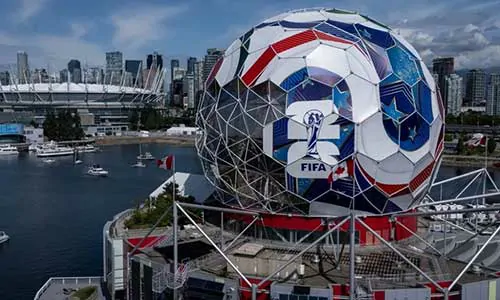
The countdown has officially ended, and the greatest sporting spectacle on earth is finally here. With 48 national teams competing across three massive nations, identifying the Best FIFA World Cup 2026 Host Cities Ranked for Football Fans is absolutely essential for planning your ultimate soccer pilgrimage. This tournament is the largest in history, featuring 104 matches played across the United States, Canada, and Mexico.
However, not all host cities offer the same experience. Some cities boast world-class public transportation and deep-rooted soccer cultures, while others present major logistical hurdles with stadiums located miles away from the city center. Therefore, careful planning is the key to maximizing your tournament experience.
To help you navigate this historic event, we have carefully analyzed and ranked all 16 host venues. Our comprehensive ranking evaluates each city based on public transit access, local football culture, accommodation costs, fan zone atmospheres, and overall travel appeal. Let us dive into the ultimate guide for traveling supporters.
Table of Contents
- Why the Best FIFA World Cup 2026 Host Cities Ranked for Football Fans Matter
- Our Ranking Methodology & Criteria
- The Top Tier: Best FIFA World Cup 2026 Host Cities Ranked for Football Fans
- Mid-Tier: Best FIFA World Cup 2026 Host Cities Ranked for Football Fans with Logistical Challenges
- The Challenging Tier: Great Stadiums, Difficult Logistics
- Quick Comparison of All 16 Host Cities
- Pro Travel Tips for World Cup Supporters
- Frequently Asked Questions (FAQ)
Why the Best FIFA World Cup 2026 Host Cities Ranked for Football Fans Matter
Planning a trip to a multi-nation tournament is vastly different from attending a tournament hosted in a single, compact country. Because the United 2026 tournament spans nearly 4,000 kilometers from Vancouver to Mexico City, your choice of base camp will heavily impact your wallet and your energy levels.
In addition, some venues are located in true downtown areas where you can walk from your hotel straight to the stadium gate. On the other hand, several American stadiums are situated in deep suburban areas, requiring expensive rideshares or complicated highway commutes. Consequently, looking at the raw capacity of a stadium does not tell the full story of what your matchday will actually feel like.
By understanding how these destinations compare, you can strategically book matches in cities that align with your budget and travel style. Whether you prefer rich historical football culture, vibrant nightlife, or highly efficient subway systems, this ranking has you covered.
Our Ranking Methodology & Criteria
To keep this guide highly objective and practical, we rated each city using five distinct categories. We believe these metrics represent the core of a great fan holiday:
- Logistics and Walkability: How easy is it to navigate the city without renting a car?
- Stadium Accessibility: Is the stadium located in the urban core, or is it isolated in the suburbs?
- Local Football Culture: Does the city have an active, passionate soccer fanbase and soccer history?
- Affordability: How expensive are local hotels, food, and public transport compared to other venues?
- City-Break Appeal: What is there to do on non-match days? Is the city a top-tier tourist destination?
The Top Tier: Best FIFA World Cup 2026 Host Cities Ranked for Football Fans
These five destinations offer the absolute gold standard for visiting supporters. They combine excellent public infrastructure, great locations, and a genuine passion for the beautiful game.
1. Vancouver, Canada (BC Place)
According to prominent sports publications like the Sports Illustrated rankings, Vancouver sits comfortably at the top of the pile. BC Place is situated directly in the heart of downtown, meaning fans can easily walk to the matches from their hotels. Furthermore, the city’s SkyTrain system connects the airport directly to the downtown core.
Coupled with mild summer weather, stunning mountain backdrops, and scenic city beaches, Vancouver is an absolute dream for international travelers. Additionally, the favorable exchange rate for U.S. dollars and Euros makes this Canadian gem surprisingly affordable compared to major U.S. metropolitan hubs.
2. Mexico City, Mexico (Estadio Azteca)
For purists of the sport, Mexico City is the ultimate pilgrimage site. The legendary Estadio Azteca has undergone extensive renovations to prepare for its historic third World Cup opening match. The stadium’s soccer heritage is unmatched, having witnessed the triumphs of both Pelé and Diego Maradona.
In addition to history, Mexico City offers incredibly vibrant neighborhood fan fests, world-class cuisine, and budget-friendly accommodations. While the city is sprawling, cheap public transit and affordable local rideshares make navigating to the stadium relatively straightforward. The local passion here is guaranteed to be the highest of any host city.
3. Toronto, Canada (BMO Field / Toronto Stadium)
Toronto is one of the most multicultural cities on the planet, making it a perfect host for a global tournament. The stadium is situated close to downtown and Lake Ontario, allowing fans to enjoy scenic pre-match walks.
Because of Toronto’s incredibly diverse population, almost every competing nation will find a massive, passionate local diaspora ready to support them. Public transit is highly efficient, and the city’s culinary scene is second to none, ensuring a fantastic trip off the pitch.
4. Seattle, USA (Lumen Field)
Seattle is widely considered the soccer capital of the United States. Thanks to the massive, long-standing fanbase of the Seattle Sounders, the local football culture here is exceptionally passionate. Lumen Field is located right on the edge of downtown, making it incredibly walkable and accessible by light rail.
Furthermore, Seattle’s summer weather is ideal, avoiding the extreme heatwaves found in the American South. Supporters can easily gather at the historic Pike Place Market or along the waterfront before marching to the stadium together in a sea of color.
5. New York/New Jersey, USA (MetLife Stadium)
As the host of the highly anticipated World Cup Final on July 19, the New York metropolitan area is the center of the football world. The cultural diversity, endless entertainment options, and iconic sights make it a bucket-list destination for any traveler.
However, MetLife Stadium is located across the river in East Rutherford, New Jersey. While there are dedicated train services from Manhattan to the stadium on match days, it requires some planning and patience. Despite this slight logistical hurdle, the sheer scale of the fan zones and the prestige of hosting the final keep New York firmly in the top tier.
Mid-Tier: Best FIFA World Cup 2026 Host Cities Ranked for Football Fans with Logistical Challenges
These cities boast incredible, state-of-the-art stadiums and fantastic atmospheres. Nevertheless, they require a bit more effort in terms of transportation, budget management, or coping with summer weather.
6. Atlanta, USA (Mercedes-Benz Stadium)
Mercedes-Benz Stadium is a futuristic architectural marvel featuring a retractable roof and a massive 360-degree video board. Located right in downtown Atlanta, it is highly accessible via the city’s MARTA train system. The stadium is also famous for keeping its food and beverage prices incredibly fan-friendly.
On the other hand, Atlanta’s summer heat and humidity can be intense. Fortunately, the closed-dome stadium is fully air-conditioned, but outdoor pre-match festivities can get sweaty. It remains one of the best overall stadium experiences in North America.
7. Los Angeles, USA (SoFi Stadium)
SoFi Stadium in Inglewood is arguably the most expensive and luxurious sporting venue ever built. It is a stunning masterpiece that will host several high-profile matches. The entertainment value of Los Angeles, combined with beautiful beaches and Hollywood glamour, makes it a highly attractive destination.
However, public transportation to SoFi Stadium is notoriously limited, and Los Angeles traffic is legendary. Fans must rely on shuttle buses, rideshares, or rental cars, which can quickly become expensive and stressful on match days. If you are prepared for the transport logistics, the stadium experience itself is world-class.
8. Miami, USA (Hard Rock Stadium)
Miami is the perfect destination if you want to combine your football trip with a tropical beach holiday. The city’s massive Latin American influence ensures an incredibly lively, festival-like atmosphere throughout the tournament.
The main drawback is that Hard Rock Stadium is located in Miami Gardens, quite far from the iconic South Beach and downtown areas. Consequently, you will spend a significant amount of time and money on transportation. Additionally, the mid-summer heat in Florida is brutal, though the stadium’s open-canopy roof is designed to shade most spectators.
9. Monterrey, Mexico (Estadio BBVA)
Estadio BBVA is widely celebrated for having one of the most beautiful backdrops in world football, with the breathtaking Cerro de la Silla mountain towering over the open end of the stadium. Football passion in Monterrey is incredibly deep, shared between two massive local clubs.
Despite the stunning views, Monterrey experiences extreme summer temperatures that can easily exceed 40°C (104°F). Fans must take precautions to stay hydrated. Additionally, while public transport exists, it is not as comprehensive as Mexico City’s system.
10. Guadalajara, Mexico (Estadio Akron)
Guadalajara is the cultural heart of Mexico, famous as the birthplace of mariachi and tequila. Estadio Akron is a beautiful, modern facility shaped like a volcano, offering excellent sightlines from every seat. It is also highly budget-friendly for international travelers.
The primary challenge is that the stadium sits on the outer western edge of the metropolitan area, far from the historic center. Taxis and rideshares are cheap, but traffic congestion on match days can cause significant delays. Planning your departure to the stadium early is highly recommended.
11. Philadelphia, USA (Lincoln Financial Field)
Philadelphia offers a fantastic mix of rich American history, passionate sports culture, and a highly walkable downtown center. The stadium is located within the South Philadelphia Sports Complex, which is easily accessible via a direct subway line from the city center.
While the stadium is highly functional and easy to reach, it lacks the futuristic charm of venues like SoFi or Mercedes-Benz. Nevertheless, for fans looking for a smooth, reliable, and culturally rich trip, Philadelphia is an excellent, underrated choice.
The Challenging Tier: Great Stadiums, Difficult Logistics
The final five cities feature iconic venues but present major logistical challenges for visiting fans. If you are attending matches here, we highly recommend renting a car and booking your accommodations well in advance.
12. Dallas, USA (AT&T Stadium)
AT&T Stadium in Arlington is an absolute colossus, hosting nine matches—more than any other venue in the tournament, including a highly anticipated semi-final. The capacity can expand to over 90,000 spectators, creating an intimidating wall of sound.
However, Arlington has virtually no public rail transit connecting it to Dallas or Fort Worth. Consequently, fans are forced to rely on expensive parking, rideshares, or private shuttles. Navigating this massive metropolitan area without a dedicated vehicle is incredibly difficult.
13. Kansas City, USA (Arrowhead Stadium)
Arrowhead Stadium is legendary for its roaring atmosphere and world-class tailgating culture. Football fans will love the famous Kansas City barbecue and the friendly Midwestern hospitality.
The major downside is that Arrowhead is located in an isolated sports complex far from downtown, with no public transit train links. Tailgating is the primary pre-match activity, so you will need to rent a car or pay high rideshare fees to join the fun. It is a fantastic experience for locals, but challenging for international tourists.
14. Houston, USA (NRG Stadium)
NRG Stadium is a highly versatile, air-conditioned venue that has successfully hosted multiple Super Bowls. The city of Houston has a rapidly growing soccer scene and offers fantastic culinary diversity.
Unfortunately, Houston is one of the most car-dependent cities in North America. The urban sprawl is immense, and while there is a light rail system, it only covers a small portion of the city. Traveling between fan zones, your hotel, and the stadium requires extensive driving through heavy highway traffic.
15. Boston, USA (Gillette Stadium)
Boston is a gorgeous, historic city with fantastic public transport within its urban core. Sadly, Gillette Stadium is located in Foxborough, which is roughly 30 miles (48 km) southwest of downtown Boston.
While transit agencies operate a special commuter train from Boston’s South Station to the stadium on match days, options are limited and schedules are rigid. If you miss the train, a taxi or rideshare back to the city will cost a small fortune. Accommodation in Boston during the summer is also notoriously expensive.
16. San Francisco Bay Area, USA (Levi’s Stadium)
Levi’s Stadium ranks at the bottom of our list due to extreme geographical separation and high costs. While the matches are branded under “San Francisco,” the stadium is actually located in Santa Clara—nearly 45 miles (72 km) south of San Francisco.
Commuting from the famous sights of San Francisco to the stadium via public transit takes over two hours each way. Additionally, hotels in the Silicon Valley region are among the most expensive in the country, and the stadium area lacks the vibrant, walkable football culture found in other host cities.
Quick Comparison of All 16 Host Cities
To help you compare your options at a glance, we have compiled a reference table summarizing the key aspects of each venue for the FIFA World Cup 2026:
| Rank | City & Stadium | Capacity | Transit Access | Best For |
|---|---|---|---|---|
| 1 | Vancouver (BC Place) | 54,000 | Excellent | Walkability & Scenic Views |
| 2 | Mexico City (Estadio Azteca) | 83,000 | Good | Football History & Atmosphere |
| 3 | Toronto (BMO Field) | 45,000 | Excellent | Multiculturalism & Food |
| 4 | Seattle (Lumen Field) | 69,000 | Excellent | Active Local Fan Culture |
| 5 | New York (MetLife Stadium) | 82,500 | Moderate | The World Cup Final |
| 6 | Atlanta (Mercedes-Benz) | 71,000 | Good | High-tech Stadium Experience |
| 7 | Los Angeles (SoFi Stadium) | 70,000 | Poor | Glamour & Sightseeing |
| 8 | Miami (Hard Rock Stadium) | 65,000 | Poor | Beaches & Nightlife |
| 9 | Monterrey (Estadio BBVA) | 53,500 | Moderate | Mountain Views & Passion |
| 10 | Guadalajara (Estadio Akron) | 48,000 | Moderate | Mexican Heritage & Value |
| 11 | Philadelphia (Lincoln Field) | 69,000 | Good | American History & Food |
| 12 | Dallas (AT&T Stadium) | 94,000 | Poor | Massive Match Quantity |
| 13 | Kansas City (Arrowhead) | 76,000 | Poor | Barbecue & Tailgating |
| 14 | Houston (NRG Stadium) | 72,000 | Poor | Air-conditioned Comfort |
| 15 | Boston (Gillette Stadium) | 65,000 | Moderate | Historical Tourism |
| 16 | San Francisco (Levi’s) | 68,500 | Poor | Silicon Valley Tech Hub |
Pro Travel Tips for World Cup Supporters
Navigating three massive countries during a single tournament can be overwhelming. To help you manage the journey, our editorial team has gathered three critical tips for traveling fans:
1. Stick to Regional Clusters: Instead of flying back and forth across North America, try to book tickets in regional clusters. For example, focusing your journey on the Pacific Northwest (Vancouver and Seattle) allows you to travel between matches via a scenic, cost-effective train ride.
2. Book Accommodations Months in Advance: Hotels and short-term rentals in high-ranking cities like Vancouver and Toronto will sell out fast. If you wait until the last minute, you will likely be forced to stay far outside the city center, compounding your transit struggles.
3. Understand Visa and Border Requirements: Because the tournament is co-hosted by Canada, Mexico, and the USA, you may need multiple tourist visas or electronic travel authorizations (like the US ESTA or Canadian eTA) to cross borders smoothly. Ensure all your documentation is updated before booking flights.
For official ticket details and match schedules, always check the official FIFA website to avoid secondary market scams. Knowing these ground rules ahead of time will prevent unnecessary headache during your trip.
Frequently Asked Questions (FAQ)
To help you quickly resolve common queries, we have compiled answers to the most frequent questions regarding the tournament venues.
Q1: How were the Best FIFA World Cup 2026 Host Cities Ranked for Football Fans?
A: We ranked the cities based on stadium accessibility, local soccer culture, transit ease, summer weather comfort, affordability, and tourist appeal. Cities with central, walkable stadiums and robust subway lines scored significantly higher.
Q2: Which city has the best stadium for football history?
A: Mexico City’s Estadio Azteca is the crown jewel of football history. It is the first stadium to host games in three different World Cups (1970, 1986, and 2026) and witnessed legendary moments by Pelé and Maradona.
Q3: Where will the FIFA World Cup 2026 Final be played?
A: The final match will be held on July 19, 2026, at MetLife Stadium in East Rutherford, New Jersey, representing the New York/New Jersey host region.
Q4: Are there public transit options for suburban stadiums like Dallas or Kansas City?
A: Unfortunately, public rail options are extremely limited or non-existent for AT&T Stadium (Dallas/Arlington) and Arrowhead Stadium (Kansas City). Fans will need to rely heavily on rideshares, rental cars, or specialized event shuttle buses.
Q5: Why is Vancouver ranked so highly for fans?
A: Vancouver offers BC Place directly in the downtown core, which is fully accessible by the rapid transit SkyTrain system. This eliminates the need for car rentals and provides incredibly scenic pre-game walking opportunities.
Q6: How many teams are participating in the 2026 tournament?
A: The 2026 edition features an expanded format with 48 teams competing across 104 matches, making it the largest FIFA World Cup in history.
Conclusion: Ready to Experience the World Cup?
Ultimately, the Best FIFA World Cup 2026 Host Cities Ranked for Football Fans highlights how crucial logistics are to having an enjoyable trip. While spectacular stadiums like SoFi in Los Angeles or AT&T in Dallas host premium matches, pedestrian-friendly cities like Vancouver, Toronto, and Seattle offer much smoother fan experiences.
Therefore, we highly recommend planning your travel routes around transit convenience and regional groupings to minimize stressful travel days. No matter which stadiums you visit, the electric atmosphere of a World Cup is bound to create lifelong memories. Secure your accommodations early, review your visa requirements, and prepare to witness football history in the making.