Comparing FIFA World Cup 2026 Stadiums: Facilities, Capacity and Fan Experience
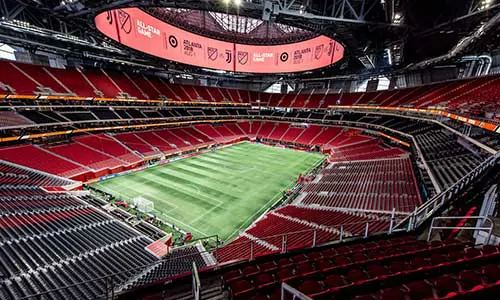
Table of Contents
- 1. Introduction: The Era of Mega-Arenas
- 2. Comparing FIFA World Cup 2026 Stadiums: Facilities, Capacity and Fan Experience – The Capacity Leaders
- 3. Comparing FIFA World Cup 2026 Stadiums: Facilities, Capacity and Fan Experience in Tech and Infrastructure
- 4. Comparing FIFA World Cup 2026 Stadiums: Facilities, Capacity and Fan Experience for Spectators
- 5. Comparing FIFA World Cup 2026 Stadiums: Facilities, Capacity and Fan Experience in Canada and Mexico
- 6. Comprehensive Venue Comparison Table
- 7. Frequently Asked Questions (FAQs)
- 8. Conclusion & Call to Action
Introduction: The Era of Mega-Arenas
The monumental 48-team tournament is captivating football fans globally. Hosting matches across three vast nations—the United States, Mexico, and Canada—this tournament represents the largest geographical footprint in football history. Consequently, analyzing the venues hosting these matches is essential for understanding how the beautiful game is evolving. When Comparing FIFA World Cup 2026 Stadiums: Facilities, Capacity and Fan Experience, fans and analysts alike are treated to a fascinating contrast between ultra-modern engineering marvels and legendary, historic temples of football.
Every host city offers unique challenges and distinct architectural marvels. For instance, matches are being played across four different time zones, testing both player endurance and logistical planning. To help you navigate this massive tournament, this deep dive breaks down the technical aspects, physical layouts, and matchday atmospheres of the world-class venues welcoming millions of passionate supporters.
Comparing FIFA World Cup 2026 Stadiums: Facilities, Capacity and Fan Experience – The Capacity Leaders
The size of an arena plays a pivotal role in shaping its matchday environment and commercial success. In this historic tournament, the scale of the venues is breaking previous attendance records, largely due to the massive average capacities of North American stadiums.
Furthermore, several stadiums stand out as true giants of the sporting world. Let us look closer at the premier capacity leaders of the tournament:
- MetLife Stadium (East Rutherford, New Jersey): With a tournament capacity of approximately 82,500, this venue was chosen to host the highly anticipated World Cup Final. In addition to its sheer size, its close proximity to New York City makes it a premier global hub.
- Estadio Azteca (Mexico City): This legendary venue has a tournament capacity of roughly 83,000. Remarkably, it is the first stadium to host matches in three separate World Cups. Its elevation of over 2,200 meters above sea level presents a grueling challenge for visiting squads.
- AT&T Stadium (Arlington, Dallas): Locally known as “Jerry World,” this futuristic stadium hosts matches with a tournament capacity of 70,649. However, its massive open-ended design allows it to expand dynamically, making it one of the most flexible structures in the lineup.
Consequently, when Comparing FIFA World Cup 2026 Stadiums: Facilities, Capacity and Fan Experience, the capacity of these venues dictates not only the ticket availability but also the sound design and crowd energy. For example, a larger seating bowl naturally creates a louder, more intimidating atmosphere for visiting teams, particularly in historic coliseums like Estadio Azteca.
Comparing FIFA World Cup 2026 Stadiums: Facilities, Capacity and Fan Experience in Tech and Infrastructure
Modern sports facilities are no longer just concrete structures with plastic seats; they are highly advanced technological ecosystems. Therefore, Comparing FIFA World Cup 2026 Stadiums: Facilities, Capacity and Fan Experience requires evaluating the digital infrastructure, roofing systems, and pitch modifications introduced specifically for this tournament.
To begin with, look at the visual technology on display. SoFi Stadium in Los Angeles features the ground-breaking “Infinity Screen”—a double-sided, oval-shaped 4K HDR video board suspended from the roof canopy. This massive screen provides crystal-clear replays to every single seat, ensuring that no fan misses a moment of action.
Meanwhile, retractable roofs play a vital role in protecting players and fans from extreme weather conditions. Arenas like Mercedes-Benz Stadium in Atlanta and NRG Stadium in Houston feature fully retractable roofs. These systems ensure that high temperatures or sudden summer downpours do not disrupt the flow of the matches.
Another major technical challenge was the playing surface. FIFA strictly mandates that all matches must be played on natural grass. As a result, several stadiums that traditionally feature artificial turf, such as BC Place in Vancouver and Lumen Field in Seattle, had to install advanced natural hybrid grass systems specifically for the tournament. These state-of-the-art hybrid systems use natural grass woven with synthetic fibers, ensuring a perfectly level and durable playing surface.
In addition to pitch upgrades, massive environmental updates were implemented. For example, Mexico City’s Estadio Azteca completed a $242 million renovation project. This massive transformation included the installation of a sustainable photovoltaic roof panel system, high-speed Wi-Fi 6 connectivity, and modernized, energy-efficient LED lighting systems across the entire complex.
Comparing FIFA World Cup 2026 Stadiums: Facilities, Capacity and Fan Experience for Spectators
While technical specifications are vital for organizers and players, the tournament ultimately belongs to the fans. Consequently, when Comparing FIFA World Cup 2026 Stadiums: Facilities, Capacity and Fan Experience, the ease of transit, view quality, and food choices shape the lasting memories of traveling supporters.
For instance, transit options vary wildly across the host cities. Several North American cities are notorious for their reliance on car travel. However, venues like BMO Field in Toronto and BC Place in Vancouver offer exceptional urban integration, allowing fans to walk directly from downtown hotels or use rapid public transit lines seamlessly.
On the other hand, suburban giants like Gillette Stadium in Boston and AT&T Stadium in Dallas require detailed parking plans and reliance on shuttle networks. To combat this, local organizing committees have set up expansive fan zones and dedicated transit corridors to ease the flow of foot traffic.
Furthermore, crowd noise is another fascinating metric of the fan experience. Arrowhead Stadium in Kansas City holds the official Guinness World Record for the loudest crowd roar ever recorded at a sports venue. Its unique bowl architecture acts as an acoustic amplifier, making it arguably the most deafening arena of the entire tournament.
To summarize, the best fan experiences in the tournament are defined by three key factors:
- Sightlines: Modern, soccer-specific stadiums like BMO Field offer steep stands that place fans incredibly close to the touchline.
- Culinary Diversity: Modern stadiums highlight local food cultures, offering everything from authentic Texas BBQ in Dallas to world-class street tacos in Guadalajara and fresh seafood in Vancouver.
- Accessibility: FIFA has enforced strict international accessibility guidelines, ensuring that fans with limited mobility have access to premium viewing areas and barrier-free pathways.
Comparing FIFA World Cup 2026 Stadiums: Facilities, Capacity and Fan Experience in Canada and Mexico
While the United States features the largest number of venues, Canada and Mexico provide some of the most vibrant and culturally rich backdrops of the tournament. Therefore, Comparing FIFA World Cup 2026 Stadiums: Facilities, Capacity and Fan Experience across national borders reveals distinct local flavors and unique stadium aesthetics.
In Canada, Vancouver’s BC Place is highly praised for its stunning cable-supported retractable roof and its picturesque location right on the edge of False Creek. It provides an ideal gateway for international visitors looking to combine world-class soccer with scenic outdoor adventures. Meanwhile, Toronto Stadium (BMO Field) represents a more compact, intimate environment where the crowd is positioned right on top of the field.
In contrast, Mexico offers unmatched passion and historic weight. Estadio BBVA in Monterrey, nicknamed “The Steel Giant,” is widely considered one of the most beautiful stadiums in the world due to the breathtaking backdrop of the Sierra Madre Oriental mountains. Guadalajara Stadium (Estadio Akron) features a futuristic design that resembles a green volcano, blending seamlessly into the surrounding landscape.
Consequently, whether you prefer the sleek, modern designs of Canada’s coastal arenas or the historic, energetic atmospheres of Mexico’s football temples, this joint hosting model offers an incredibly diverse array of choices for traveling supporters.
Comprehensive Venue Comparison Table
To help you compare these world-class arenas at a single glance, we have compiled a detailed table summarizing the key metrics of five prominent stadiums representing each of the three host nations.
| Stadium Name | Host City & Country | Tournament Capacity | Roof Type | Key Standout Feature |
|---|---|---|---|---|
| MetLife Stadium | New York/New Jersey, USA | 82,500 | Open Air | Host of the World Cup Final |
| Estadio Azteca | Mexico City, Mexico | 83,000 | Fixed Canopy | First to host three opening matches |
| SoFi Stadium | Los Angeles, USA | 70,240 | Fixed Translucent Roof | Suspended 4K Infinity Screen |
| BC Place | Vancouver, Canada | 52,497 | Retractable (Cable-supported) | Stunning harbor-side location |
| Estadio BBVA | Monterrey, Mexico | 51,243 | Open Air | Breathtaking mountain views |
Frequently Asked Questions (FAQs)
To help you prepare for matches or better understand the structural layout of this massive tournament, here are answers to the most common questions regarding the tournament’s venues.
Q1: Which stadium is hosting the FIFA World Cup 2026 Final?
A1: MetLife Stadium, located in East Rutherford, New Jersey (representing the New York/New Jersey area), is hosting the final match on July 19, 2026. It features a massive capacity of approximately 82,500 seats.
Q2: How does the high altitude of Estadio Azteca affect matches?
A2: Located in Mexico City, Estadio Azteca sits at over 2,200 meters (7,220 feet) above sea level. The thinner air at this altitude causes the ball to travel faster and can lead to rapid physical fatigue for players who are not properly acclimatized.
Q3: Are all matches played on real grass?
A3: Yes, FIFA mandates that all matches must be played on natural grass surfaces. Stadiums that normally use artificial turf, such as Atlanta’s Mercedes-Benz Stadium and Seattle’s Lumen Field, have installed temporary or permanent state-of-the-art hybrid natural grass systems.
Q4: What is the smallest host stadium by capacity in the tournament?
A4: Toronto Stadium (BMO Field) is the most intimate venue of the tournament, with a tournament capacity of approximately 43,036 seats following its recent temporary expansions.
Q5: How has technology improved the spectator experience in the US stadiums?
A5: Venues feature cutting-edge technologies like SoFi Stadium’s 360-degree double-sided 4K Infinity Screen, massive retractable roofs, localized seat-delivery food apps, and high-density Wi-Fi 6 arrays to keep thousands of fans connected simultaneously.
Q6: How do fans travel between host cities?
A6: Because of the massive distances across Canada, Mexico, and the USA, most fans rely on commercial flights to travel between host cities. However, localized regional matches have been grouped to minimize travel times for both teams and fans.
Conclusion & Call to Action
In conclusion, Comparing FIFA World Cup 2026 Stadiums: Facilities, Capacity and Fan Experience highlights how North America is redefining the standards for hosting global sports events. From the massive capacities and high-tech amenities of US stadiums to the deep history of Estadio Azteca and the stunning scenic backgrounds of Canada’s arenas, every venue offers something truly unique for the global community.
Ultimately, these sixteen architectural marvels are providing the perfect stage for the most inclusive World Cup in history. Whether you are watching from home or cheering directly from the stands, the technological innovations and structural scale of these stadiums will be remembered for decades to come.
What are your thoughts? Which of these magnificent stadiums would you most like to visit? Let us know in the comments below, and don’t forget to share this article with your fellow football fans!
For more official updates, detailed matches schedules, and ticketing guides, visit the Official FIFA Tournament Portal or explore technical arena updates at StadiumDB.com.