Easiest FIFA World Cup 2026 Host Cities to Travel Between
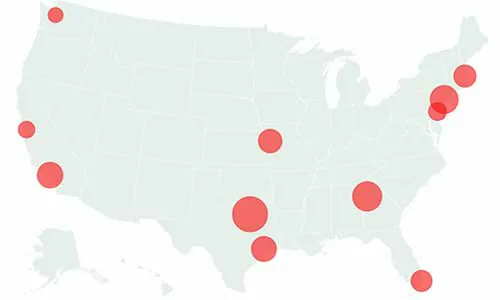
Navigating the largest tournament in football history requires careful planning and a solid travel strategy. With matches spread across three massive countries, understanding the Easiest FIFA World Cup 2026 Host Cities to Travel Between is critical for fans hoping to catch multiple live matches. Consequently, choosing a regional travel route can save you both valuable time and money. While traveling across North America can sometimes feel like a daunting task, several highly efficient regional transport corridors allow supporters to move seamlessly between stadiums. Therefore, focusing on specific urban clusters can dramatically simplify your itinerary.
In addition, organizing your path around these interconnected hubs ensures you spend less time in airports and more time enjoying the matches. In this comprehensive guide, we will analyze the Easiest FIFA World Cup 2026 Host Cities to Travel Between, giving you actionable transit insights to maximize your tournament experience without the stress of constant coast-to-coast flights.
Table of Contents
- The Northeast Corridor: Easiest FIFA World Cup 2026 Host Cities to Travel Between
- Why Rail Transit Makes These the Easiest FIFA World Cup 2026 Host Cities to Travel Between
- Pacific Northwest: Seattle and Vancouver as the Easiest FIFA World Cup 2026 Host Cities to Travel Between across Borders
- The Texas Connection: Are Dallas and Houston the Easiest FIFA World Cup 2026 Host Cities to Travel Between in the South?
- Comparing the Easiest FIFA World Cup 2026 Host Cities to Travel Between
- Crucial Travel and Transit Tips for World Cup Fans
- FAQ: Common Questions on the Easiest FIFA World Cup 2026 Host Cities to Travel Between
- Conclusion and Final Travel Advice
The Northeast Corridor: Easiest FIFA World Cup 2026 Host Cities to Travel Between
When looking for the absolute Easiest FIFA World Cup 2026 Host Cities to Travel Between, the Northeast Corridor emerges as the clear winner. This region comprises Boston, New York/New Jersey, and Philadelphia. These metropolitan areas are geographically concentrated, meaning transit times are incredibly short compared to other host city pairings across North America. As a result, fans can base themselves in one city and easily travel to matches in the others without the logistical headache of commercial aviation.
Furthermore, these three host cities are steeped in rich sports culture and possess highly developed public transit infrastructures. This ensures that getting from your hotel to the stadium is as straightforward as traveling between the cities themselves. For international travelers who want to avoid renting cars or navigating complex airport terminals every few days, this eastern cluster represents the most stress-free option of the entire tournament.
New York/New Jersey to Philadelphia: The Golden Route
The journey between New York/New Jersey (MetLife Stadium) and Philadelphia (Lincoln Financial Field) is remarkably short. Specifically, the cities are separated by only about 95 miles. By utilizing high-speed rail options, supporters can travel from city center to city center in just over an hour. This incredible proximity means you can enjoy the pre-match fan festival in Manhattan during the morning and still make it to Philadelphia in time for an evening kickoff.
Additionally, local transit authorities are coordinating closely to handle the massive influx of football supporters. Consequently, you can expect enhanced train frequencies and dedicated express shuttle services running between the main transportation hubs and the stadiums on match days. This high level of connectivity solidifies this route as a cornerstone of tournament travel.
Incorporating Boston into the East Coast Tour
While Boston (Gillette Stadium in Foxborough) is slightly further north, it remains highly integrated into the eastern transit network. Traveling from New York City to Boston takes approximately 3.5 to 4 hours by train. While this is slightly longer than the Philadelphia leg, it remains far more convenient than catching a domestic flight when you account for airport security, baggage checks, and terminal transfers.
It is important to note, however, that Gillette Stadium is located in Foxborough, about 22 miles southwest of downtown Boston. Fortunately, the Massachusetts Bay Transportation Authority (MBTA) operates special event commuter rail trains directly from Boston’s South Station and Back Bay Station to the stadium gates on match days. Therefore, even the final stadium leg is highly accessible for public transit users.
Why Rail Transit Makes These the Easiest FIFA World Cup 2026 Host Cities to Travel Between
Amtrak rail networks provide the framework that makes these spots the Easiest FIFA World Cup 2026 Host Cities to Travel Between without booking expensive, exhausting internal flights. The flagship Acela service and the more budget-friendly Northeast Regional line run dozens of times per day, connecting Boston South Station, New York Penn Station, and Philadelphia 30th Street Station directly.
Consequently, taking a high-speed train completely eliminates airport security hassle, making this cluster the Easiest FIFA World Cup 2026 Host Cities to Travel Between for budget-conscious international visitors. You can simply purchase your ticket online, arrive at the station 20 minutes before departure, and enjoy free Wi-Fi and comfortable seating as you travel directly to your next destination. For more schedules and pricing, you can check Amtrak rail services directly to plan your journey.
Pacific Northwest: Seattle and Vancouver as the Easiest FIFA World Cup 2026 Host Cities to Travel Between across Borders
For those looking to experience two host nations under one travel route, Seattle and Vancouver represent the Easiest FIFA World Cup 2026 Host Cities to Travel Between in terms of cross-border proximity. These two Pacific Northwest gems are separated by just 140 miles of breathtaking coastal scenery. By selecting this route, fans can seamlessly bridge the gap between the United States and Canada while enjoying two of the most scenic stadium environments in the tournament.
Moreover, both Seattle (Lumen Field) and Vancouver (BC Place) feature world-class stadiums situated directly within their respective downtown cores. This unique layout means that once you arrive in either city, you can easily walk or take a quick light rail ride directly to the match. This is a massive advantage compared to cities where stadiums are located far out in the suburbs.
The Amtrak Cascades: A Scenic and Simple Journey
The primary transit link between these two cities is the Amtrak Cascades train service. This train takes passengers on a beautiful four-hour journey along the Puget Sound and through the lush forests of Washington State and British Columbia. This reliable scenic route is why many experts refer to them as the Easiest FIFA World Cup 2026 Host Cities to Travel Between for multi-country ticket holders.
In addition, customs and immigration procedures are streamlined for rail passengers. When traveling north, you will clear Canadian customs directly inside Vancouver’s historic Pacific Central Station, which is a much more relaxed environment than a hectic international airport terminal. Conversely, southbound travelers will clear U.S. customs before boarding the train in Vancouver, saving valuable time upon arrival in Seattle.
Alternative Road Trips and Bus Routes
If you prefer a more flexible schedule, driving between Seattle and Vancouver via Interstate 5 (I-5) is highly viable and takes roughly 2.5 to 3 hours under normal traffic conditions. However, border wait times at the Peace Arch crossing can fluctuate significantly during a major global event. Therefore, utilizing regional express bus services like Quick Shuttle is often a smart alternative, as these buses frequently have dedicated lanes to expedite the border crossing process.
The Texas Connection: Are Dallas and Houston the Easiest FIFA World Cup 2026 Host Cities to Travel Between in the South?
On the other hand, if you prefer the warmth of the Central Region, the Texas pairing stands out. Dallas and Houston are often labeled among the Easiest FIFA World Cup 2026 Host Cities to Travel Between due to frequent flights and robust highway infrastructure. While the distance between Dallas (Dallas Stadium in Arlington) and Houston (NRG Stadium) is roughly 240 miles, the sheer volume of transit options makes moving between them highly efficient.
Furthermore, both cities offer incredible southern hospitality, diverse culinary scenes, and massive fan zones. By basing your trip around this Texas duo, you can experience two distinct major metropolitan areas while minimizing the logistical challenges found in other, more spread-out regions of the continent.
Frequent and Affordable Regional Flights
For those looking to save time, the flight between Dallas and Houston takes just under an hour. Because both cities serve as major aviation hubs, there are dozens of daily flights operating between Dallas/Fort Worth International (DFW), Dallas Love Field (DAL), Houston George Bush Intercontinental (IAH), and William P. Hobby Airport (HOU). Consequently, competition between regional carriers keeps ticket prices relatively affordable, even during peak tournament dates.
The Straightforward I-45 Highway Route
Therefore, while the distance is larger than the Northeast, the straightforward highway path keeps them ranked high on the list of the Easiest FIFA World Cup 2026 Host Cities to Travel Between. Renting a car and driving along Interstate 45 takes approximately 3.5 to 4 hours. The drive is exceptionally simple, featuring a straight, well-maintained highway with plenty of convenient rest stops along the way.
However, once you arrive, keep in mind that Dallas Stadium is located in Arlington, which is situated between Dallas and Fort Worth. Because Arlington lacks a heavy rail public transit system, renting a car or relying heavily on local rideshare and shuttle networks is highly recommended for matches in the Dallas area. In contrast, Houston’s NRG Stadium is conveniently linked to the downtown area via the METRORail Red Line.
Comparing the Easiest FIFA World Cup 2026 Host Cities to Travel Between
As illustrated, selecting the Easiest FIFA World Cup 2026 Host Cities to Travel Between depends heavily on your preferred mode of transit. To help you plan your ultimate tournament schedule, we have compiled a quick reference table comparing the primary regional clusters based on distance, travel time, and key transport modes.
| Host City Pairings | Approx. Distance | Primary Transit Mode | Estimated Travel Time | Border Crossing? |
|---|---|---|---|---|
| New York/NJ to Philadelphia | 95 miles (153 km) | Amtrak Train (Regional / Acela) | 1 hour 15 minutes | No (Within US) |
| New York/NJ to Boston | 220 miles (354 km) | Amtrak Train / Regional Bus | 3.5 to 4 hours | No (Within US) |
| Seattle to Vancouver | 140 miles (225 km) | Amtrak Cascades Train / Car | 3 to 4 hours | Yes (US-Canada Border) |
| Dallas to Houston | 240 miles (386 km) | Regional Flight / Rental Car | 1 hour (flight) / 4 hours (drive) | No (Within US) |
By comparing these options, you can easily decide which cluster fits your personal travel style, budget, and accommodation preferences. Whether you value the speed of high-speed rail or the independence of a classic highway road trip, these regions represent the pinnacle of travel convenience for this historic global event.
Crucial Travel and Transit Tips for World Cup Fans
Planning to move between these host cities requires more than just booking your tickets. To ensure a smooth, worry-free journey, you should follow these essential travel tips designed specifically for the unique layout of the 2026 tournament:
- Book Rail and Flight Tickets Early: With millions of fans descending upon North America, trains and regional flights will sell out quickly. Make sure to secure your transit tickets as soon as your match tickets are confirmed.
- Prepare for Cross-Border Logistics: If you are traveling between Seattle and Vancouver, ensure your passport is valid for at least six months. Check visa or eTA requirements for Canada and ESTA requirements for the United States well in advance.
- Stay Connected with a Unified eSIM: Avoid expensive roaming charges by purchasing a North American eSIM that covers the US, Canada, and Mexico on a single plan. This ensures seamless mobile data access across borders.
- Keep Your Luggage Light: Dragging heavy bags through busy train stations and airports can quickly drain your energy. Consider using a luggage delivery service or booking hotels that offer luggage storage options.
- Utilize Official Stadium Shuttles: Many stadiums have specific transit arrangements for match days. Always check the official host city websites for the latest updates on shuttle drop-off zones and commuter rail schedules.
By implementing these simple precautions, you can focus on the excitement of the matches rather than the stress of transit delays or forgotten documents. To stay updated with the latest official tournament news and updates, you can always visit FIFA’s official ticketing and host cities portal.
FAQ: Common Questions on the Easiest FIFA World Cup 2026 Host Cities to Travel Between
Which are the Easiest FIFA World Cup 2026 Host Cities to Travel Between without flying?
The easiest host cities to travel between without flying are New York/New Jersey, Philadelphia, and Boston on the East Coast. They are connected by Amtrak’s Northeast Regional and Acela high-speed rail lines, making travel quick, affordable, and highly efficient. This cluster completely eliminates the need for domestic flights.
Why are Seattle and Vancouver considered the Easiest FIFA World Cup 2026 Host Cities to Travel Between across borders?
Seattle and Vancouver are considered the easiest cross-border host cities because they are only 140 miles apart. They are connected by the scenic Amtrak Cascades train, which features highly organized, streamlined customs and immigration facilities directly inside the train terminals, avoiding long highway border lines.
Is public transit readily available at all the stadiums in these clusters?
Most stadiums in these clusters have excellent public transit links. For example, Lumen Field in Seattle, BC Place in Vancouver, Lincoln Financial Field in Philadelphia, and NRG Stadium in Houston are directly connected to local subway or light rail systems. However, Dallas Stadium in Arlington lacks direct heavy rail public transit and relies heavily on rideshare services or event shuttles.
Do I need a separate visa to travel between Seattle and Vancouver during the World Cup?
Your visa requirements depend entirely on your nationality. While US citizens do not need a visa to enter Canada (and vice versa), international fans may require a US visa or ESTA, as well as a Canadian visa or Electronic Travel Authorization (eTA) to travel legally between Seattle and Vancouver.
How far in advance should I book my intercity train tickets?
It is highly recommended to book your Amtrak tickets or regional flights at least 3 to 6 months in advance. Because of the massive influx of international travelers during the tournament, popular regional routes will experience unprecedented demand, which can lead to rapid fare increases and sold-out trains.
Are rental cars a good option for traveling between East Coast host cities?
Generally, rental cars are not recommended for traveling between New York, Philadelphia, and Boston. Highway traffic along the I-95 corridor is notoriously congested, and parking fees in these major cities can be extremely expensive. Utilizing Amtrak’s high-speed rail network is a far faster, cheaper, and less stressful alternative.
Conclusion and Final Travel Advice
Ultimately, choosing the Easiest FIFA World Cup 2026 Host Cities to Travel Between can make or break your tournament experience. By focusing your itinerary on high-connectivity regions like the Northeast Corridor or the scenic Pacific Northwest, you can minimize transit stress and maximize the joy of the beautiful game. Each of these clusters offers unique cultural experiences, world-class stadiums, and highly efficient transport networks tailored to handle massive crowds.
As you plan your journey, remember to prioritize early bookings, stay informed about local transit schedules, and prepare your travel documents well ahead of time. By taking these smart, practical steps, you will ensure a memorable, seamless, and incredibly exciting World Cup adventure. Safe travels, and enjoy the matches!