Estadio Azteca and FIFA World Cup 2026: A Historic Stadium’s New Chapter
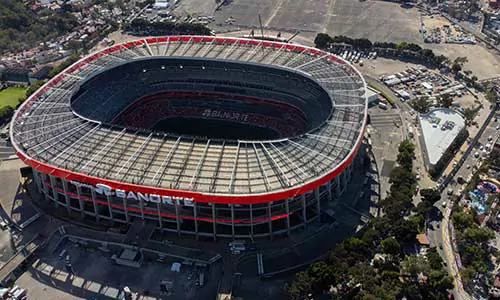
Table of Contents
- Introduction to a Footballing Cathedral
- The Sacred Turf: A Brief History of Estadio Azteca
- Why Estadio Azteca and FIFA World Cup 2026: A Historic Stadium’s New Chapter Matters
- Modernizing a Legend: Estadio Azteca and FIFA World Cup 2026: A Historic Stadium’s New Chapter
- Key Highlights of Estadio Azteca and FIFA World Cup 2026: A Historic Stadium’s New Chapter
- The Ultimate Fan Experience in Mexico City
- A Legendary Past Meets a Modern Future: Estadio Azteca and FIFA World Cup 2026: A Historic Stadium’s New Chapter
- FAQ about Estadio Azteca and FIFA World Cup 2026: A Historic Stadium’s New Chapter
Introduction to a Footballing Cathedral
The world of football has its holy sites, but none carry the weight of Mexico City’s crowning jewel. As we step into a new era of global football, Estadio Azteca and FIFA World Cup 2026: A Historic Stadium’s New Chapter begins. This iconic venue is ready to welcome the world once again. Consequently, fans are gearing up for matches that will define a generation.
Historically, this massive arena has stood as a monument to athletic excellence. Therefore, hosting the tournament in 2026 is a natural progression for its legacy. The upcoming games promise to deliver intense drama and unforgettable matches. Indeed, Estadio Azteca and FIFA World Cup 2026: A Historic Stadium’s New Chapter serves as a bridge between the legends of the past and the stars of tomorrow.
When we look back, the greatest footballers to ever play the game have graced this turf. Specifically, Pelé and Diego Maradona cemented their legendary status here. Now, a new crop of international talent hopes to follow in their monumental footsteps. Consequently, understanding the deep connection between Estadio Azteca and FIFA World Cup 2026: A Historic Stadium’s New Chapter is vital for any true football enthusiast.
Moreover, the modern era brings new expectations for global tournaments. Stadiums must offer top-tier hospitality and seamless transit. Fortunately, extensive preparation has ensured the venue is ready. In this comprehensive guide, we will explore the history, the renovations, and the exciting future of this legendary arena.
The Sacred Turf: A Brief History of Estadio Azteca
Opened in 1966, Estadio Azteca quickly became the epicenter of Latin American football. Its massive design was meant to intimidate opponents while providing an electric atmosphere for home fans. Because of this unique design, the stadium has witnessed some of the most dramatic moments in sporting history.
In 1970, the stadium hosted its first FIFA World Cup final. On that day, Pelé led a magical Brazilian squad to a 4-1 victory over Italy. Fans still talk about the sheer joy of that tournament. Indeed, that event established the stadium as a true cathedral of the beautiful game.
Subsequently, the tournament returned to Mexico in 1986. Diego Maradona made this venue his personal stage. It was during this tournament that he scored the controversial “Hand of God” goal. Just minutes later, he scored the “Goal of the Century” against England, dribbling past half the team. Therefore, the stadium is forever etched into the memories of football lovers worldwide.
Additionally, the venue has hosted major events beyond the World Cup. It served as the main stadium for the 1968 Summer Olympics and the 1971 Women’s World Cup. Through all these milestones, the arena maintained its reputation for unmatched passion and noise.
Why Estadio Azteca and FIFA World Cup 2026: A Historic Stadium’s New Chapter Matters
When analyzing why Estadio Azteca and FIFA World Cup 2026: A Historic Stadium’s New Chapter holds such weight, we must look at the unprecedented milestones. For the first time in history, three nations—the United States, Mexico, and Canada—are co-hosting the tournament. Within this joint effort, Mexico City stands out as a beacon of footballing culture.
Furthermore, this tournament features an expanded format with 48 teams. This means more matches, more fans, and greater pressure on local infrastructure. In this context, the experience and history of the Mexican capital are invaluable. The local organizers have worked tirelessly to ensure every visitor experiences true Mexican warmth.
Additionally, the connection between Estadio Azteca and FIFA World Cup 2026: A Historic Stadium’s New Chapter and the global fan base is deeply rooted in nostalgia. Many older fans remember watching the historic black-and-white broadcasts of 1970. Meanwhile, younger fans are excited to create their own memories in the same stadium where legends once walked.
On the other hand, the hosting duties are shared with modern giants like Estadio BBVA in Monterrey and Estadio Akron in Guadalajara. However, the opening match honors belong solely to Mexico City. This choice emphasizes the unmatched historical significance of the capital’s arena.
Modernizing a Legend: Estadio Azteca and FIFA World Cup 2026: A Historic Stadium’s New Chapter
The comprehensive renovation required to fulfill this destiny shows that Estadio Azteca and FIFA World Cup 2026: A Historic Stadium’s New Chapter is committed to modern safety standards. Over the last few years, the stadium underwent extensive modernization. FIFA President Gianni Infantino officially attended the re-opening, praising the careful balance between preserving history and embracing the future.
Specifically, the upgrades focused on upgrading VIP zones and fan hospitality spaces. To meet modern standards, developers added luxury suites and improved seating comfort across all tiers. Consequently, this project ensures that Estadio Azteca and FIFA World Cup 2026: A Historic Stadium’s New Chapter will remain structurally sound and visually spectacular for decades to come.
Furthermore, technology played a massive role in the refurbishment. Designers installed state-of-the-art LED lighting systems to enhance high-definition broadcasts. The pitch also received a complete overhaul, using hybrid grass technology to survive the intense tournament schedule.
Importantly, sustainability was at the forefront of the renovation efforts. The stadium now utilizes eco-friendly waste management systems and water-saving technologies. Because of these changes, the venue has set a new standard for historic stadium rejuvenations globally.
Key Highlights of Estadio Azteca and FIFA World Cup 2026: A Historic Stadium’s New Chapter
When we examine the match schedule, the role of Estadio Azteca and FIFA World Cup 2026: A Historic Stadium’s New Chapter becomes incredibly prestigious. The stadium is hosting five matches in total, including the tournament’s highly anticipated opening fixture. This makes it the first stadium in history to host three World Cup opening matches.
For instance, local supporters view Estadio Azteca and FIFA World Cup 2026: A Historic Stadium’s New Chapter as the ultimate theater for national pride. The opening match on June 11, 2026, saw Mexico face South Africa, resulting in an emotional 2-0 victory for the home nation. Below is a detailed table of the matches scheduled for this iconic venue:
| Date | Stage | Fixture / Match Details |
|---|---|---|
| June 11, 2026 | Opening Match (Group A) | Mexico vs. South Africa (Result: 2-0) |
| June 17, 2026 | Group Stage | Uzbekistan vs. Colombia |
| June 24, 2026 | Group Stage | Czechia vs. Mexico |
| June 30, 2026 | Round of 32 | Knockout Match TBD |
| July 5, 2026 | Round of 16 | Knockout Match TBD |
Therefore, the matches are distributed to maximize excitement throughout the summer. Fans from various continents will travel to Mexico City, creating a diverse cultural melting pot. This tournament is truly celebrating global unity through the language of football.
The Ultimate Fan Experience in Mexico City
Furthermore, international visitors can expect Estadio Azteca and FIFA World Cup 2026: A Historic Stadium’s New Chapter to offer world-class hospitality. Organizers have partnered with official providers to deliver premium ticket and hospitality packages. These options allow fans to enjoy matches with high-end dining and lounge access.
To ensure smooth travel, the local government has significantly improved transportation links. Visitors can use the light rail (Tren Ligero) system, which connects directly to the stadium area. In addition, dedicated shuttle buses run regularly from key points in the city on match days.
Thus, the ongoing journey of Estadio Azteca and FIFA World Cup 2026: A Historic Stadium’s New Chapter bridges the gap between traditional passion and modern commercial viability. Beyond the pitch, fans can enjoy delicious local cuisine, including world-famous tacos and churros. The surrounding neighborhood of Santa Ursula comes alive with music, street food, and spontaneous football matches.
For more detailed updates on scheduling and official tourist recommendations, you can consult authoritative platforms like the Official FIFA Website or the Olympics.com Football Section. These resources provide up-to-the-minute details on match results and fan zone locations.
A Legendary Past Meets a Modern Future: Estadio Azteca and FIFA World Cup 2026: A Historic Stadium’s New Chapter
Ultimately, looking at how Estadio Azteca and FIFA World Cup 2026: A Historic Stadium’s New Chapter unfolds tells us that history does not fade; it merely transforms. This tournament is not just about the modern facilities or the commercial deals. Instead, it is about the collective memory of a global community.
In conclusion, Estadio Azteca and FIFA World Cup 2026: A Historic Stadium’s New Chapter is a testament to the timeless appeal of beautiful matches. Whether you are supporting El Tri or traveling from abroad, being part of this event is a lifetime opportunity. Let us celebrate the beautiful game in the ultimate cathedral of football!
Are you planning to witness the drama unfold live, or will you be cheering from home? Share your favorite memories of this historic stadium in the comments below, and subscribe to our newsletter for the latest tournament updates!
FAQ about Estadio Azteca and FIFA World Cup 2026: A Historic Stadium’s New Chapter
Q1: Why is Estadio Azteca so famous in World Cup history?
A1: It is the only stadium in the world where both Pelé (1970) and Diego Maradona (1986) lifted the World Cup trophy. It also hosted iconic matches like the “Game of the Century” and Maradona’s “Goal of the Century.”
Q2: How many matches will be played at the stadium during the 2026 tournament?
A2: The reopening of this venue under the banner of Estadio Azteca and FIFA World Cup 2026: A Historic Stadium’s New Chapter highlights its unique status. The stadium is hosting five matches in total: three group-stage games, one Round of 32 fixture, and one Round of 16 knockout match.
Q3: What are the commercial and tournament names of the stadium?
A3: Locally and commercially, the stadium took the name Estadio Banorte in late 2025. However, for non-commercial FIFA purposes during the tournament, it is officially designated as Estadio Ciudad de México, while fans universally call it Estadio Azteca.
Q4: What specific renovations were completed for the 2026 World Cup?
A4: The renovations for Estadio Azteca and FIFA World Cup 2026: A Historic Stadium’s New Chapter focused on modernizing hospitality suites, upgrading the pitch with hybrid grass, replacing the lighting with advanced LED technology, and improving safety and sustainability systems.
Q5: How can international fans reach the stadium in Mexico City?
A5: Fans can easily reach the stadium using public transit. The light rail system (Tren Ligero) stops directly outside the venue at the Estadio Azteca station, and the local government provides additional shuttle services on match days.
Q6: Did Mexico win its opening match at the stadium in 2026?
A6: Yes, Mexico played the tournament’s opening match against South Africa on June 11, 2026, and secured an emotional 2-0 victory in front of a sold-out crowd.