FIFA World Cup 2026 Hosts: USA, Canada and Mexico City Guide
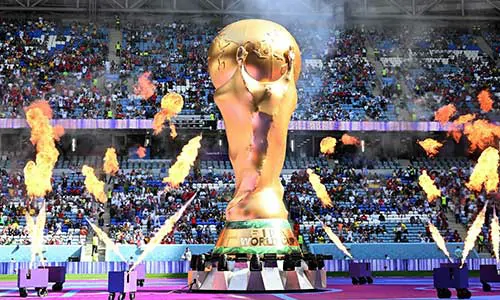
The global football community is preparing for the most ambitious sporting event in history. For the first time, forty-eight teams will compete across three massive nations in North America. Whether you are a die-hard football fan or a traveler planning a historic cross-border journey, having a comprehensive FIFA World Cup 2026 Hosts: USA, Canada and Mexico City Guide is essential to navigating this massive tournament. With matches spread across sixteen iconic cities, preparation is key to ensuring you do not miss a single moment of the action.
In this ultimate roadmap, we will break down every host city, explore the state-of-the-art stadiums, and provide critical logistics tips. From the coastal breeze of Vancouver to the high-altitude atmosphere of Mexico City, here is everything you need to plan your ultimate football pilgrimage.
Table of Contents
- An Overview of the Historic 2026 Format
- United States Host Cities & Venues
- Canada Host Cities & Venues
- Mexico Host Cities & Venues
- Why You Need a FIFA World Cup 2026 Hosts: USA, Canada and Mexico City Guide
- Planning Your Journey with the FIFA World Cup 2026 Hosts: USA, Canada and Mexico City Guide
- How to Use This FIFA World Cup 2026 Hosts: USA, Canada and Mexico City Guide
- Comparison of Key Stadiums and Capacities
- Frequently Asked Questions (FAQs)
An Overview of the Historic 2026 Format
The 2026 edition marks a revolutionary chapter in international football. By expanding the tournament format to 48 teams, FIFA has increased the total match count to 104. Consequently, fans will enjoy more action, diverse match-ups, and an unprecedented celebration of global fan culture across three host nations.
To minimize travel fatigue for both players and spectators, FIFA has divided the host cities into three regional clusters: West, Central, and East. This logical clustering ensures that travel distances are kept within reasonable limits during the group stages. Consequently, planning your itinerary around these specific regions will make your journey much more manageable.
Furthermore, each host country brings its own unique sporting history to the table. While Mexico is a seasoned veteran—having hosted legendary tournaments in 1970 and 1986—the United States boasts massive modern arenas, and Canada offers an incredibly diverse and passionate welcoming environment. Let us dive into the specifics of each host country and their designated cities.
United States Host Cities & Venues
The United States is set to host the majority of the matches, utilizing eleven world-class stadiums that primarily serve as homes to NFL franchises. These venues feature cutting-edge technology, massive seating capacities, and spectacular fan zones.
The West Coast Hubs: Seattle, San Francisco, and Los Angeles
On the West Coast, Seattle welcomes fans to Lumen Field, a stadium famous for its deafening atmosphere and passionate local soccer culture. Visitors can easily navigate the city via the Link Light Rail and enjoy local highlights like Pike Place Market. Meanwhile, the San Francisco Bay Area will host matches at Levi’s Stadium in Santa Clara. To get there, fans can utilize the Caltrain network from downtown San Francisco, making transit relatively straightforward.
Further south, Los Angeles features the ultra-modern SoFi Stadium in Inglewood. As one of the most expensive and architecturally stunning sporting venues ever built, it promises an unparalleled spectator experience. However, because Los Angeles is highly car-dependent, booking accommodations near the Metro K Line or utilizing dedicated rideshare hubs is highly recommended to avoid heavy traffic congestion on match days.
The Central Powerhouses: Kansas City, Dallas, Houston, and Atlanta
Moving into the heart of the country, Kansas City offers GEHA Field at Arrowhead Stadium, legendary for its tailgating culture and barbecue. Because public transit to the stadium is limited, renting a car or sharing rides with fellow fans remains the most practical choice here.
In Texas, both Dallas (AT&T Stadium in Arlington) and Houston (NRG Stadium) will host major fixtures. AT&T Stadium features a retractable roof and a giant center-hung video board, making it a true marvel of modern engineering. In Houston, METRORail provides decent access to the NRG Park area, allowing fans to travel efficiently between downtown and the stadium.
Atlanta rounds out the central region with the Mercedes-Benz Stadium. This venue is highly praised for its fan-friendly food pricing and outstanding design. Furthermore, the MARTA rapid transit system drops passengers directly at the stadium gates, making it one of the most accessible venues in the country.
The East Coast Giants: Boston, New York/New Jersey, Philadelphia, and Miami
The Eastern region boasts dense transportation networks and rich historical landmarks. In Boston, Gillette Stadium in Foxborough serves as the host venue. Because Foxborough is located roughly 30 miles outside the city center, taking the dedicated event train from Boston’s South Station is the most stress-free travel option.
The spotlight shines brightest on New York/New Jersey, where MetLife Stadium in East Rutherford has been selected to host the highly anticipated World Cup Final. Fans can easily reach the stadium from Manhattan’s Penn Station via the NJ Transit rail link. In addition, Philadelphia will host matches at Lincoln Financial Field, which is conveniently connected to the city center via the SEPTA Broad Street Line.
Finally, Miami offers Hard Rock Stadium, bringing a distinct vibrant, international flavor to the tournament. Known for its warm climate and beautiful beaches, Miami is a prime destination for visiting supporters. Fans should plan to use the Brightline high-speed rail or local express shuttle buses to reach the venue efficiently.
Canada Host Cities & Venues
Canada is preparing to co-host its very first men’s World Cup, showcasing two of its most vibrant metropolitan areas. By utilizing this FIFA World Cup 2026 Hosts: USA, Canada and Mexico City Guide, you can easily map out your journey through these highly welcoming, diverse northern cities.
Vancouver: BC Place
Nestled between the Pacific Ocean and the majestic Coast Mountains, Vancouver is a picturesque dream for traveling fans. BC Place, located right in the heart of downtown, features a state-of-the-art retractable roof and a beautiful view of the city skyline. Because the stadium is situated in the city center, fans can simply walk to the matches or utilize the efficient SkyTrain rapid transit system. Additionally, visitors can explore Stanley Park, sample world-class Asian cuisine, and enjoy the scenic waterfront before kick-off.
Toronto: BMO Field
As Canada’s largest city, Toronto offers an incredibly multicultural atmosphere where football is passionately celebrated. BMO Field, located at Exhibition Place, is undergoing a temporary capacity expansion to meet FIFA’s requirements. Getting to the stadium is highly convenient via the GO Transit Lakeshore West train line or the local TTC streetcars. Consequently, staying anywhere in downtown Toronto allows for quick and easy matchday commuting while offering endless opportunities to explore diverse neighborhoods and iconic landmarks like the CN Tower.
Mexico Host Cities & Venues
Mexico is set to make history as the first country to host matches in three separate World Cup tournaments. The passion for football in Mexico is unmatched, and our FIFA World Cup 2026 Hosts: USA, Canada and Mexico City Guide highlights how legendary venues like Estadio Azteca will serve as the emotional beating heart of this historic competition.
Mexico City: Estadio Azteca
No stadium on earth matches the historical prestige of the Estadio Azteca. Having witnessed the iconic triumphs of Pelé in 1970 and Diego Maradona in 1986, this venue is a true temple of football. Located in the southern part of Mexico City, fans can reach the stadium by taking the Metro Line 2 to Tasqueña, followed by the Tren Ligero (light rail) directly to the Azteca station. Visitors should keep in mind that the city sits at an altitude of over 2,200 meters, meaning staying hydrated and acclimating to the elevation is essential during your stay.
Guadalajara: Estadio Akron
Known as the cultural capital of Mexico, Guadalajara offers rich traditions, tequila, and mariachi music. Estadio Akron, home to the popular club Chivas, is one of the most modern and visually unique stadiums in Latin America, featuring an exterior design that resembles a rising volcano. While public transit options to the stadium are somewhat limited, official event shuttle buses and registered taxi applications are highly reliable choices for reaching the venue safely.
Monterrey: Estadio BBVA
Located in the northern state of Nuevo León, Monterrey features Estadio BBVA, often called “The Steel Giant.” The stadium offers one of the most breathtaking backdrops in world sport, with the stunning Cerro de la Silla mountain looming directly behind the open-air stand. Fans can access the stadium using the local Metrorrey light rail system, stopping at the Exposición station, which is within reasonable walking distance of the stadium gates.
Why You Need a FIFA World Cup 2026 Hosts: USA, Canada and Mexico City Guide
Navigating a tournament spread across three massive countries poses unique travel challenges. Therefore, relying on a trusted FIFA World Cup 2026 Hosts: USA, Canada and Mexico City Guide is not just helpful; it is absolutely critical for a seamless experience. The sheer geographical footprint of this tournament spans four different time zones and requires crossing international borders, which demands meticulous planning.
For instance, traveling from the humid coastal climate of Miami to the high-altitude conditions of Mexico City requires preparation. Similarly, moving from the dense public transit networks of the US East Coast to the sprawling highways of Texas or Southern California means adapting your transportation strategy for each leg of your journey. Without a structured plan, travel costs and transit times can quickly spiral out of control.
Furthermore, managing different currencies (US Dollars, Canadian Dollars, and Mexican Pesos) and ensuring you have the correct travel authorizations for each country requires careful foresight. By analyzing these variables ahead of time, you can secure budget-friendly flights, find well-located accommodations, and focus purely on the excitement on the pitch.
Planning Your Journey with the FIFA World Cup 2026 Hosts: USA, Canada and Mexico City Guide
To get the most out of your tournament experience, you must establish a clear planning timeline. Booking your flights and accommodations well in advance is highly recommended, as millions of global fans will be competing for the same limited inventory. Consequently, prices are expected to rise rapidly as matchdays draw closer.
First and foremost, you must secure your official match tickets. Always purchase tickets exclusively through the official FIFA tournament platform to avoid counterfeit tickets and exorbitant secondary market markups. Once your tickets are confirmed, you can begin tailoring your travel routes and securing accommodation close to the venues or major transit corridors.
In addition, crossing borders requires the correct documentation. If you are an international traveler, you may need a combination of visas or electronic travel authorizations (such as the ESTA for the United States, the eTA for Canada, or the FMM for Mexico). Be sure to review the official entry requirements on government portals like the U.S. Department of State visa portal months before your scheduled departure date to prevent any stressful transit delays.
How to Use This FIFA World Cup 2026 Hosts: USA, Canada and Mexico City Guide
To make the most of this comprehensive resource, follow this simple checklist to organize your ultimate 2026 travel itinerary:
- Identify Your Regional Cluster: Choose to follow matches primarily in either the West, Central, or East region to minimize overall travel times and costs.
- Secure Match Tickets First: Never book non-refundable flights or hotels until you have confirmed match tickets or official fan zone passes.
- Check Your Passport Validity: Ensure your passport is valid for at least six months beyond your planned return date.
- Map Out Matchday Transit: Identify the specific rail, light transit, or shuttle routes for each stadium to avoid massive parking fees and gridlock traffic.
- Prepare for Local Climates: Pack light, breathable clothing for hot southern locations, and bring light jackets for milder evening matches in cities like Seattle or Vancouver.
Comparison of Key Stadiums and Capacities
To help you visualize the impressive scale of the venues hosting matches during the tournament, here is a quick breakdown of key stadiums, their locations, estimated capacities, and primary transit options:
| Host City | Stadium Name | Approx. Capacity | Primary Transit Option |
|---|---|---|---|
| New York/New Jersey | MetLife Stadium | 82,500 | NJ Transit Rail Link |
| Los Angeles | SoFi Stadium | 70,240 | Metro K Line & Event Shuttles |
| Atlanta | Mercedes-Benz Stadium | 71,000 | MARTA Rail (Dome Station) |
| Vancouver | BC Place | 54,500 | SkyTrain (Stadium-Chinatown) |
| Toronto | BMO Field | 45,000 (Expanded) | GO Transit & TTC Streetcars |
| Mexico City | Estadio Azteca | 87,523 | Tren Ligero (Light Rail) |
| Monterrey | Estadio BBVA | 53,500 | Metrorrey (Exposición Station) |
In addition to these capacities, each stadium will feature massive, lively FIFA Fan Festivals. These dedicated zones allow ticketless fans to gather, watch matches on giant outdoor screens, and celebrate the global game in a festive, safe community setting.
Conclusion
The 2026 tournament promises to be a spectacular celebration of unity, athletic excellence, and cultural exchange. By exploring the vibrant urban landscapes of Canada, the modern arenas of the United States, and the rich football history of Mexico, fans are guaranteed to create memories that will last a lifetime. However, navigating this massive sporting event smoothly requires proactive planning and reliable local insights, as outlined in this FIFA World Cup 2026 Hosts: USA, Canada and Mexico City Guide.
Do not wait until the last minute to finalize your arrangements. Start mapping out your matchday routes, preparing your travel documents, and booking your accommodations today. What cities are you most excited to visit? Leave a comment below, share this guide with your travel companions, and subscribe to our newsletter for the latest tournament updates, ticketing alerts, and local travel guides!
Frequently Asked Questions (FAQs)
Do I need separate visas to travel between the US, Canada, and Mexico?
Yes, depending on your nationality. Each country maintains its own sovereign entry requirements. While some travelers may benefit from visa-waiver programs, many will need to secure individual visas or electronic travel authorizations (like the US ESTA, Canadian eTA, or Mexican FMM) to cross borders smoothly during the tournament.
How will teams and fans manage the massive travel distances?
To address this challenge, FIFA has grouped matches into three regional clusters: West, Central, and East. This clustering helps keep travel distances manageable during the group stage. However, for knockout rounds, fans should expect to book regional flights to follow their respective national teams.
Which stadium is hosting the 2026 World Cup Final?
MetLife Stadium, located in East Rutherford, New Jersey (representing the New York/New Jersey host region), has been officially selected to host the grand final match. The massive venue features an estimated capacity of over 82,000 spectators and is highly accessible via public rail links from Manhattan.
Are tickets already on sale, and how can I buy them safely?
Official tickets are distributed exclusively through the FIFA ticketing portal. Fans must register their interest on the official FIFA website to participate in the ticket application draws. To avoid scams and counterfeit tickets, you should strictly avoid purchasing from unauthorized secondary market platforms.
What is the best way to get to Estadio Azteca in Mexico City?
The most reliable public transit route is taking Metro Line 2 to the Tasqueña terminal station. From there, you can easily transfer to the Tren Ligero (light rail) line, which drops passengers off directly at the Estadio Azteca station. Using registered taxi apps is also recommended for safety and convenience.
Will public transit be free for match ticket holders?
While policies vary slightly from city to city, many host venues are partnering with local transit authorities to offer complimentary or discounted public transportation for fans who hold valid matchday tickets. Be sure to check the local host city’s official transport app for specific updates closer to the tournament.