FIFA World Cup 2026 Opening Match: Date, Venue and TV Coverage
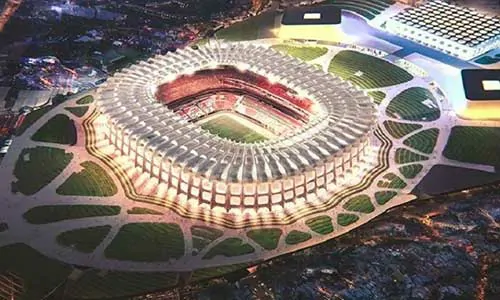
Table of Contents
- Introduction to the 2026 Global Spectacle
- A Historic Kick-off: The FIFA World Cup 2026 Opening Match: Date, Venue and TV Coverage
- The Legendary Venue: Estadio Azteca
- The Opening Ceremony: Performers and Cultural Showcases
- The Opening Matchup: Mexico vs. South Africa
- The Co-Hosts’ Individual Openers: USA and Canada
- The Broadcast Directory: FIFA World Cup 2026 Opening Match: Date, Venue and TV Coverage Channels
- Strategic Viewing Tips for Cord-Cutters
- How the Expanded 48-Team Format Impacts the Schedule
- Frequently Asked Questions (FAQ)
- Conclusion and Next Steps for Soccer Fans
The global football community has officially entered a new era with the commencement of the biggest tournament in sporting history. Spanning three massive host nations—the United States, Mexico, and Canada—the expanded tournament features 48 teams competing across 104 matches. To help you navigate this historic sporting carnival, this guide provides all the crucial details regarding the FIFA World Cup 2026 Opening Match: Date, Venue and TV Coverage. Whether you are a casual observer or a dedicated supporter, keeping track of where and when the tournament kicks off is vital for your viewing schedule.
Historically, the opening game of any tournament sets the psychological tone for the weeks of high-stakes drama that follow. Because this iteration represents a historic expansion in both team participation and geographic scale, the opening fixture carries unprecedented significance. Consequently, fans from around the world are seeking precise logistical details. Knowing the exact kickoff times, regional broadcast networks, and stadium details will ensure you do not miss a single moment of the initial whistle.
Additionally, the collaborative hosting model presents unique broadcasting dynamics across different time zones. Therefore, preparing your home entertainment setup or streaming subscriptions ahead of time is highly recommended. In the following sections, we will explore every dimension of the tournament’s inaugural match, ensuring your tournament experience is fully optimized from day one.
The FIFA World Cup 2026 Opening Match: Date, Venue and TV Coverage Blueprint
The official start of the tournament took place on Thursday, June 11, 2026. This date is permanently etched into sports history, as it marked the beginning of a 39-day soccer festival. Selecting a Thursday for the opening game allowed organizers to structure a highly anticipated stand-alone fixture, capturing the undivided attention of a global audience. Following this opening day, the action rapidly intensified, with the tournament ultimately concluding on Sunday, July 19, 2026, at the New Jersey Stadium in East Rutherford.
Specifically, the opening match kicked off at 3:00 PM Eastern Time (ET), which translates to 1:00 PM local time in Mexico City. Having a mid-afternoon kickoff in North America allowed European and African audiences to view the game during prime-time evening hours. On the other hand, Asian audiences had to tune in during the early hours of Friday morning. This compromise highlights the delicate balance FIFA must strike when coordinating global viewing schedules.
Furthermore, understanding the timing of this match is essential because it is immediately preceded by an elaborate opening ceremony. Fans who want to witness the full spectacle must tune in at least 90 minutes prior to the match’s kickoff. By reviewing the details of the FIFA World Cup 2026 Opening Match: Date, Venue and TV Coverage, supporters can guarantee they are positioned in front of their screens well before the opening ceremony begins.
The Legendary Venue: Estadio Azteca
When discussing the FIFA World Cup 2026 Opening Match: Date, Venue and TV Coverage, the venue stands out as an architectural and cultural marvel. The iconic Estadio Azteca in Mexico City, officially known for the tournament as Mexico City Stadium, was chosen to host the inaugural match. Holding a capacity of over 80,000 spectators, this legendary coliseum has hosted some of the most famous moments in football history, including Pelé’s triumph in 1970 and Diego Maradona’s “Hand of God” in 1986.
With this tournament, Estadio Azteca achieved a historic milestone by becoming the first stadium in history to host three opening matches. This unprecedented honor reflects Mexico’s deep-rooted footballing heritage. The atmosphere inside the stadium during the opening match was electric, characterized by a sea of green jerseys, traditional songs, and a powerful showcase of national pride. Consequently, the venue choice provided the perfect historic backdrop to usher in the expanded 48-team era.
In addition to its historic value, the stadium underwent extensive renovations to meet modern FIFA hospitality and technological standards. Upgrades to seating, media facilities, and player dressing rooms ensured that the old-school charm of the venue was successfully paired with 21st-century comfort. Therefore, Estadio Azteca remains a benchmark venue, combining a legendary past with the cutting-edge requirements of modern sports broadcasting.
The Opening Ceremony: Performers and Cultural Showcases
The celebration preceding the first kickoff was a colorful tribute to North American and Mexican heritage. Curated by acclaimed Italian creative director Marco Balich, the 15-minute performance successfully captured themes of unity, diversity, and global collaboration. The ceremony opened with hundreds of indigenous Mexican dancers showcasing traditional choreography, surrounding a giant, stylized replica of the World Cup trophy.
Furthermore, the musical lineup featured some of the biggest names in the global music industry. The performances included:
- Shakira & Burna Boy: Performed the official tournament song, “Dai Dai”, creating an energetic fusion of Latin and Afrobeat rhythms.
- Maná: Brought classic Mexican rock to the stadium with a lively rendition of “Oye Mi Amor.”
- Danny Ocean: Performed the track “Partidazo”, flanked by dancers wearing traditional garments.
- Belinda & Los Ángeles Azules: Closed the musical segment with a unique collaboration celebrating Mexican cumbia.
This star-studded lineup ensured that viewers who tuned in early were treated to a world-class entertainment spectacle. Meanwhile, similar opening celebrations took place on a slightly smaller scale in Canada and the United States the following day, marking the home debuts of the other two co-hosts. This decentralized approach highlighted the unique nature of a tri-nation tournament.
The Opening Matchup: Mexico vs. South Africa
The competitive action began with a highly anticipated Group A fixture between co-hosts Mexico and South Africa. This matchup served as a nostalgic rematch of the 2010 opening game in Johannesburg, which famously ended in a hard-fought 1-1 draw. This time, playing on their home turf at Estadio Azteca, the Mexican national team carried the immense pressure of an entire nation on their shoulders.
Tactically, the match was a fascinating battle of styles. Mexico, managed with a focus on high-pressing and quick transitions, looked to exploit the wings through creative wingers and clinical overlapping runs. On the other hand, South Africa set up in a compact defensive shape, looking to break quickly and utilize the pace of their forward line. Ultimately, Mexico secured a crucial 2-0 victory, sending the home crowd into a state of absolute euphoria and securing three valuable points in Group A.
For tactical analysts and general fans alike, this game provided an intriguing preview of the level of competition to expect throughout the tournament. Winning the opening match is historically a strong indicator of a team’s chances of advancing to the knockout rounds. Consequently, Mexico’s structured performance set a high benchmark for the other co-hosts, who were scheduled to play their respective opening games the very next day.
The Co-Hosts’ Individual Openers: USA and Canada
While the official tournament opener took place in Mexico City, both Canada and the United States hosted their own inaugural matches on Friday, June 12, 2026. This staggered schedule allowed all three host nations to experience the magic of an opening night on home soil. Canada kicked off their campaign at the Toronto Stadium (BMO Field), securing a hard-fought 1-1 draw against Bosnia and Herzegovina in front of a passionate red-and-white crowd.
A few hours later, the United States Men’s National Team (USMNT) made their highly anticipated debut at the Los Angeles Stadium (SoFi Stadium) in Inglewood, California. Facing a disciplined Paraguay side, the Americans put on a dominant display, walking away with an impressive 4-1 victory. Consequently, the opening 48 hours of the tournament delivered a spectacular showcase of North American soccer, successfully engaging fans across all three host nations.
Therefore, when analyzing the FIFA World Cup 2026 Opening Match: Date, Venue and TV Coverage, it is helpful to view the opening phase as a collective, multi-city launch event. This unique format provided fans with back-to-back days of high-profile soccer, maximizing global engagement from the very beginning of the group stage.
The Broadcast Directory: FIFA World Cup 2026 Opening Match: Date, Venue and TV Coverage Channels
For millions of fans unable to travel to Mexico City, securing reliable broadcast information was the top priority. In the United States, English-language television coverage for the opening match—and the entirety of the tournament—was managed by FOX Sports. The network utilized its main broadcast channel, FOX, to deliver the opening match live to households nationwide, ensuring maximum accessibility for casual fans.
For Spanish-speaking audiences in the United States, NBCUniversal held the exclusive rights. The opening match was broadcast live on Telemundo, with additional cable coverage available on Universo. In Canada, the tournament’s broadcast home was TSN and RDS, providing comprehensive coverage in both English and French. Meanwhile, viewers in the United Kingdom were able to watch the action unfold across Sky Sports, alongside traditional coverage from the BBC and ITV.
To provide a clear, concise reference, the table below outlines the primary television and streaming options for the opening match across major global regions:
| Region | TV Channel (English) | TV Channel (Spanish/Other) | Streaming Platform |
|---|---|---|---|
| United States | FOX, FS1 | Telemundo, Universo | FOX Sports App, Peacock, Tubi (Free) |
| Canada | TSN | RDS (French) | TSN Direct, RDS App |
| Mexico | N/A | Televisa, TV Azteca | ViX |
| United Kingdom | Sky Sports, BBC, ITV | N/A | BBC iPlayer, ITVX, Sky Go |
As indicated in the table, soccer enthusiasts had access to a wide variety of viewing platforms. To stay updated with real-time scheduling adjustments, fans are encouraged to consult the official FIFA Official Website for the most accurate and up-to-date matchday listings.
Strategic Viewing Tips for Cord-Cutters
With the rise of digital streaming, millions of soccer fans have transitioned away from traditional cable television. Recognizing this shift, broadcasters made the opening match highly accessible through various digital avenues. For instance, cord-cutters in the United States were able to stream the opening match completely free on Tubi, an ad-supported streaming service owned by Fox. This free streaming option represented a significant win for accessibility, allowing casual viewers to enjoy the historic moment without a subscription.
In addition to Tubi, subscribers to premium streaming platforms like Fubo, YouTube TV, and Hulu + Live TV were able to access the live FOX broadcast. These platforms provide cloud DVR features, which are incredibly useful for fans who need to record matches during working hours. On the other hand, Spanish-speaking viewers could utilize Peacock, which held the exclusive Spanish-language streaming rights for all matches in the United States.
Consequently, the streaming landscape for this tournament is highly versatile, catering to both budget-conscious viewers and those seeking premium, high-definition coverage. To explore more about specialized soccer analysis and broadcast technology, you can visit FOX Sports Official Broadcast Home for deep-dive technical insights and expert pre-match commentary.
How the Expanded 48-Team Format Impacts the Schedule
The transition to a 48-team tournament significantly altered the schedule of the event. Instead of the traditional 64 matches played in previous iterations, the current tournament features a whopping 104 matches. This change was implemented to accommodate 12 groups of four teams each, with the top two teams from each group and the eight best third-place teams advancing to a brand-new Round of 32.
Therefore, the opening match serves as the catalyst for an incredibly intense group stage. With multiple games played every day across three countries, fans are treated to a near-constant stream of live soccer. This dense schedule requires broadcasters to utilize multiple channels simultaneously, making a structured TV guide more essential than ever before.
While some purists have expressed concern over the sheer volume of matches, others view it as a fantastic opportunity for smaller footballing nations to make their mark on the global stage. Nations making their debut are sharing the spotlight with established powerhouses. Consequently, the opening match in Mexico City was merely the first chapter in a massive, inclusive celebration of global soccer.
Frequently Asked Questions (FAQ)
Q1: What was the exact date and time of the opening match?
A1: The opening match took place on Thursday, June 11, 2026, at 3:00 PM Eastern Time (ET) / 1:00 PM local time in Mexico City.
Q2: Where was the opening match played?
A2: The opening match was played at the legendary Estadio Azteca (officially designated as Mexico City Stadium) in Mexico City, Mexico.
Q3: Who played in the official opening game?
A3: The match featured co-hosts Mexico playing against South Africa in a highly anticipated Group A opening fixture.
Q4: Which channels broadcast the opening match in the United States?
A4: The match was broadcast live in English on the main FOX network channel. In Spanish, the match was broadcast live on Telemundo and Universo.
Q5: Was there a free streaming option available for cord-cutters?
A5: Yes, cord-cutters in the United States were able to stream the opening match for free on Tubi, a popular ad-supported streaming service owned by Fox.
Q6: Who performed during the opening ceremony?
A6: The opening ceremony featured high-profile performances from Shakira, Burna Boy, J Balvin, Tyla, Maná, Danny Ocean, and Belinda.
Conclusion and Next Steps for Soccer Fans
In summary, the tournament got off to an incredible start, with Mexico securing a historic 2-0 victory over South Africa at Estadio Azteca. By reviewing this comprehensive guide on the FIFA World Cup 2026 Opening Match: Date, Venue and TV Coverage, you are now fully equipped with the essential knowledge needed to follow the remainder of this historic 48-team tournament.
As the group stage progresses and the competition intensifies, keeping a reliable match schedule on hand is highly recommended. Make sure to double-check your local listings, optimize your streaming setup, and coordinate your viewing schedule with friends and family. Let us know in the comments below which team you are backing to lift the trophy on July 19, and do not forget to share this guide with your fellow soccer enthusiasts!