FIFA World Cup 2026 Stadium Rules: Parking, Transport and Entry Policies
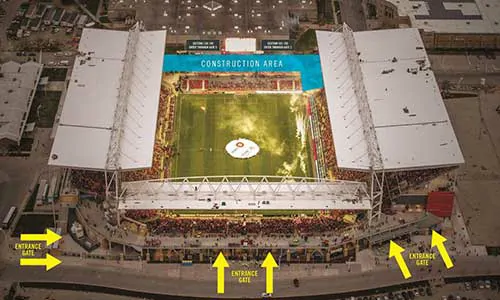
As the globe prepares for the largest sporting spectacle in history, understanding the FIFA World Cup 2026 Stadium Rules: Parking, Transport and Entry Policies is the single most important step in planning your matchday journey. Spanning 16 iconic host cities across the United States, Canada, and Mexico, this multi-national tournament will feature 48 teams competing in 104 matches. Consequently, familiarizing yourself with the official FIFA World Cup 2026 Stadium Rules: Parking, Transport and Entry Policies will prevent long delays or potential entry denials at the gate, ensuring a seamless and thrilling soccer experience.
Table of Contents
- Core Breakdown of the FIFA World Cup 2026 Stadium Rules: Parking, Transport and Entry Policies
- Security & Entry Protocols: Bag and App Rules
- Vehicle Parking Regulations and Hospitality Permits
- Transit and Shuttle Guides for Host Cities
- Comparing Venues Under the Stadium Policies
- Frequently Asked Questions (FAQ)
- Concluding Guide and Matchday Success Tips
Core Breakdown of the FIFA World Cup 2026 Stadium Rules: Parking, Transport and Entry Policies
Organizing a tournament across three sovereign nations requires an unprecedented level of security coordination and logistic planning. For this reason, FIFA has collaborated with local transit authorities and stadium managements to establish unified operational guidelines. Furthermore, these regulations are heavily standardized. In addition to local venue rules, the overarching FIFA World Cup 2026 Stadium Rules: Parking, Transport and Entry Policies guarantee a uniform security perimeter across all 16 host cities.
Why the FIFA World Cup 2026 Stadium Rules: Parking, Transport and Entry Policies Differ from Domestic Games
If you regularly attend matches in the NFL, MLS, or Liga MX, you might expect standard matchday protocols to apply. However, international events operate under strict security perimeters mandated by international safety agreements. Specifically, standard parking lots often serve as broadcasting villages or hospitality areas, significantly reducing public parking spaces. Therefore, understanding how the FIFA World Cup 2026 Stadium Rules: Parking, Transport and Entry Policies alter typical stadium access is vital for every ticket holder.
Additionally, local transit routes are adjusted to accommodate massive international crowds. Security cordons are set up miles away from the stadium gates to screen traffic. As a result, fans cannot simply walk up to the stadium gates from nearby streets or hotels without passing through dedicated security hubs first.
Security & Entry Protocols: Deciphering the FIFA World Cup 2026 Stadium Rules: Parking, Transport and Entry Policies
Security is the highest priority for the tournament organizers. Therefore, under the strict FIFA World Cup 2026 Stadium Rules: Parking, Transport and Entry Policies, all personal items must align with rigid size and material limits. All fans must pass through metal detectors and screening points prior to entry. This process requires patience, and arriving at least two to three hours before kickoff is highly recommended.
The Clear Bag Policy and Size Limits
To expedite the entry process and minimize physical contact during security checks, a strict clear bag policy is enforced across all stadiums. Only specific types of bags are permitted inside the venues. The following list outlines the permissible bag dimensions:
- Clear Bags: Must be made of clear plastic, vinyl, or PVC material. The dimensions must not exceed 12 x 6 x 12 inches (30 x 15 x 30 cm).
- Small Clutches & Wallets: Non-clear small bags, clutches, or wristlets are permitted only if they do not exceed 4.5 x 6.5 inches (11 x 16.5 cm).
- Freezer Bags: A one-gallon clear plastic freezer bag (Ziploc style) is also acceptable.
As a result, failing to check these requirements before arriving can cause significant friction. Specifically, the FIFA World Cup 2026 Stadium Rules: Parking, Transport and Entry Policies clarify that standard backpacks, fanny packs, duffel bags, and large purses are completely prohibited, regardless of their contents.
Mobile Ticketing Under the FIFA World Cup 2026 Stadium Rules: Parking, Transport and Entry Policies
For this global tournament, paper tickets and mobile screenshots will not be accepted at any stadium gate. Meanwhile, the official FIFA World Cup 2026 Stadium Rules: Parking, Transport and Entry Policies state that only live digital tickets on the FWC2026 Mobile Tickets app are valid for entry. Ensure your smartphone is fully charged, and add your tickets to your mobile wallet before arriving at the security zone.
Moreover, if you are traveling with a group and have multiple tickets on one device, you should transfer them to each individual’s phone prior to arrival. This reduces bottlenecks at the scanners and ensures a smoother entry process for everyone in your party.
Strictly Prohibited Items
To maintain a safe environment, several everyday items are completely banned from entering the stadium gates. Security personnel have final authority on all items, and confiscated goods will not be stored for recovery. Prohibited items include:
- Professional cameras, tripods, monopods, and selfie sticks.
- Umbrellas of any size (even if the stadium has a retractable roof).
- Insulated metal bottles, flasks, and hard plastic water containers. Only empty, clear plastic bottles under 1 liter are permitted for use at stadium refilling stations.
- Weapons, pocket knives, multi-tools, and self-defense sprays.
Vehicle Parking Regulations: Navigating the FIFA World Cup 2026 Stadium Rules: Parking, Transport and Entry Policies
Driving to a World Cup match is vastly different from attending a routine domestic sporting event. Because stadium footprints are optimized for international hospitality and media broadcasts, traditional parking spaces are extremely restricted. Moreover, finding a spot requires careful pre-planning. Under the official FIFA World Cup 2026 Stadium Rules: Parking, Transport and Entry Policies, walk-up parking purchases at the venue are entirely banned.
Pre-Paid Parking Only
All general parking passes must be purchased in advance through the official FIFA parking portal, managed by partners such as JustPark. Parking is strictly reserved for ticket holders, and you must use the same email address associated with your match tickets to book a spot. Due to high demand, parking spaces can range in price from $125 to upwards of $300 depending on the host city and the match tier.
Consequently, if you do not secure a pre-paid parking pass, you will not be allowed to pass through the outer security checkpoints surrounding the stadium. Police and traffic control officers will turn away any vehicles without digital validation.
Hospitality and Accessibility Under the FIFA World Cup 2026 Stadium Rules: Parking, Transport and Entry Policies
For guests with accessibility needs, special provisions apply. Nevertheless, the FIFA World Cup 2026 Stadium Rules: Parking, Transport and Entry Policies dictate that ADA parking passes must also be reserved in advance. When arriving on matchday, you must present your pre-paid accessible parking ticket along with a valid, government-issued disability placard or license plate.
Furthermore, corporate hospitality packages include digital Vehicle Access & Parking Permits (VAPPs). These digital VAPPs are emailed directly to hospitality ticket holders from the official FIFA domain. They must be presented on a mobile device to gain access to premium designated lots.
Transit and Shuttle Guides Under the FIFA World Cup 2026 Stadium Rules: Parking, Transport and Entry Policies
Because of massive crowds and high parking costs, driving may not be your best option. Consequently, the FIFA World Cup 2026 Stadium Rules: Parking, Transport and Entry Policies actively encourage fans to utilize local rail and bus networks. Host cities have developed comprehensive public transport systems to move thousands of fans efficiently.
Rail Networks and Express Shuttles
In major metropolitan areas, public rail transit is the most reliable way to reach the games. For instance, New Jersey Transit provides robust rail service directly to MetLife Stadium from Secaucus Junction. In addition, many host cities are running dedicated, non-stop express shuttles from downtown transit hubs to the outer gates of the venues.
However, transit is not free for everyone. Following updated FIFA guidelines, fans can access public and planned transport at local cost. Some transit routes require pre-purchased tickets or wristbands, so always check local host committee websites for pricing and schedules. For more details, you can visit the official FIFA website for updated scheduling across all 16 locations.
Rideshare and “The Last Mile” Walk
Similarly, rideshare drop-offs are strictly controlled. In contrast to regular club matches, the FIFA World Cup 2026 Stadium Rules: Parking, Transport and Entry Policies divert rideshares to designated off-site lots. For example, at stadiums like SoFi or AT&T Stadium, rideshare vehicles must drop off passengers in designated zones located up to a mile away from the gates.
Therefore, prepare for a moderate walk from the drop-off zone to the security checkpoints. Wear comfortable footwear and allow an extra 30 to 45 minutes just for this “last mile” transit portion.
Comparing Venues Under the FIFA World Cup 2026 Stadium Rules: Parking, Transport and Entry Policies
To make this easier, we have compiled a quick comparison of the transit setups at prominent stadiums. Indeed, reviewing this breakdown of the FIFA World Cup 2026 Stadium Rules: Parking, Transport and Entry Policies reveals unique transport and parking systems for different venues:
| Stadium & Host City | Primary Transit Option | Estimated Transit Cost | Pre-Paid Parking Cost |
|---|---|---|---|
| MetLife Stadium (NY/NJ) | NJ Transit Rail (Secaucus Junction) | $98 – $105 round trip | $225 – $300 (ADA/American Dream) |
| Hard Rock Stadium (Miami) | Off-site Shuttle Hubs | Free with Match Ticket | Up to $250 |
| Lincoln Financial Field (Philly) | SEPTA Subway System | $2.90 to stadium (Free leaving) | $125 – $155 |
Ultimately, reviewing the local host committee portals and the official FIFA World Cup 2026 Stadium Rules: Parking, Transport and Entry Policies for your specific host venue is highly recommended. For New Jersey transit planning and ticketing, you can consult the NJ Transit Portal to lock in your rail passes early.
Frequently Asked Questions (FAQ)
Can I bring a standard backpack if it contains only personal medication?
No, standard backpacks are prohibited regardless of what is inside. Indeed, under the FIFA World Cup 2026 Stadium Rules: Parking, Transport and Entry Policies, only clear plastic bags matching the specified dimensions are permitted. If you have medically necessary equipment or liquids that do not fit standard clear bags, you must enter through a designated medical screening lane where your items will be thoroughly inspected and tagged by supervisors.
Are screenshots of tickets or printed PDFs acceptable for stadium entry?
No, screenshots and printed paper tickets will not be accepted under any circumstances. The ticketing system utilizes dynamic, rotating barcodes that refresh constantly. Therefore, you must use the official FWC2026 Mobile Tickets app to present your live ticket at the gates.
Can I buy a parking pass on-site at the stadium on matchday?
No, there are absolutely no on-site parking sales on matchday. Consequently, the FIFA World Cup 2026 Stadium Rules: Parking, Transport and Entry Policies forbid walk-up cash or card sales for parking spaces on matchday. All parking must be pre-purchased online through the official FIFA parking site prior to your arrival. Vehicles without valid parking passes will be turned away at the police checkpoints miles before the stadium.
Is rideshare drop-off available directly at the stadium gates?
No, rideshare services like Uber and Lyft are not allowed to drop passengers off directly at the stadium gates due to strict safety perimeters. Instead, all rideshares are routed to designated off-site rideshare lots. From there, fans must either walk or catch a complimentary shuttle to the stadium gates.
What happens if I bring a prohibited item like an umbrella?
If you bring a prohibited item to the gate, security personnel will instruct you to dispose of it or return it to your vehicle. Many stadiums do not provide bag check or storage facilities, meaning you may have to throw the item away to gain entry. To avoid losing valuable items, check the prohibited list before departing.
Are stadiums cashless for food, drinks, and merchandise?
Yes, all FIFA World Cup 2026 stadiums are 100% cashless venues. All transactions for food, beverages, and tournament merchandise must be made using debit cards, credit cards, or contactless mobile payment methods like Apple Pay and Google Pay. Cash is not accepted anywhere inside the security zones.
Concluding Guide on the FIFA World Cup 2026 Stadium Rules: Parking, Transport and Entry Policies
Ultimately, preparation is the key to enjoying this historic soccer tournament. By carefully adhering to the FIFA World Cup 2026 Stadium Rules: Parking, Transport and Entry Policies, you can ensure that your experience is smooth and enjoyable. Plan your transit routing, secure your clear bags, download your tickets in advance, and prepare for a safe, unforgettable matchday.
Do not wait until the last minute. Download the FWC2026 Mobile Tickets app today, book your transportation passes, and review the FIFA World Cup 2026 Stadium Rules: Parking, Transport and Entry Policies to ensure you are fully prepared when the whistle blows!