FIFA World Cup 2026 Ticket Prices Explained: Categories, Costs & Seating Guide
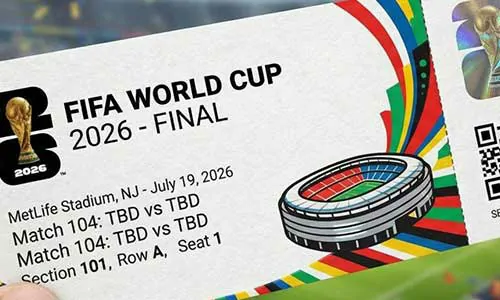
As the global football community prepares for the grandest tournament in sporting history, understanding the ticketing landscape is crucial. In this comprehensive manual, you will find the FIFA World Cup 2026 Ticket Prices Explained: Categories, Costs & Seating Guide to help you secure your spot. Spanning three massive host nations—the United States, Canada, and Mexico—the expanded 48-team tournament features 104 matches. This scale makes securing the right ticket at the right price a completely different challenge compared to prior editions. Consequently, fans must understand the pricing dynamics and seating categories well in advance.
Planning your budget early is the key to enjoying this historic tournament without facing financial surprises. From the affordable entry tiers designed for passionate traveling supporters to the ultra-premium hospitality suites, this guide breaks down every cost aspect. Furthermore, we will analyze stadium layouts, buying processes, and dynamic pricing rules. Therefore, read on to make your World Cup journey both memorable and cost-effective.
Table of Contents
- 1. Understanding Ticket Categories and Tiers
- 2. FIFA World Cup 2026 Ticket Prices Explained: Categories, Costs & Seating Guide – The Complete Cost Breakdown
- 3. FIFA World Cup 2026 Ticket Prices Explained: Categories, Costs & Seating Guide – A Deep Dive into Seating Configurations
- 4. How to Register and Purchase Tickets on the Official FIFA Portal
- 5. FIFA World Cup 2026 Ticket Prices Explained: Categories, Costs & Seating Guide – Avoiding Resale Scams and Inflated Markets
- 6. Premium Hospitality Packages: The Ultimate Matchday Experience
- 7. Practical Budgeting Tips for Traveling Fans
- 8. Frequently Asked Questions (FAQ)
1. Understanding Ticket Categories and Tiers
To accommodate different budgets, FIFA structures its tickets into distinct categories. This system ensures that local stadium attendees, loyal international travelers, and high-net-worth fans can all find something suitable. Specifically, the categories are divided into standard seating and specialized tiers. Understanding these variations will help you prioritize which matches to target during the application phases.
For the 2026 tournament, standard seating is divided into Category 1, Category 2, and Category 3. In contrast to past tournaments where placement was determined strictly by pitch-side coordinates, the 2026 tournament relies heavily on seat height and elevation. Additionally, a specialized “Supporter Tier” has been established to make matches affordable for dedicated fans of qualified nations.
- Category 1: These are the most expensive standard seats. They offer prime lateral views and are located in the lower bowls of the stadiums, putting you close to the pitch.
- Category 2: Positioned primarily in corner areas or intermediate tiers, these seats offer a balanced viewing experience at a moderate price.
- Category 3: The most budget-friendly option for the general public, located in the upper bowls or directly behind the goals. While higher up, these seats offer a bird’s-eye view of the tactical play.
- Supporter Entry Tier & Value Tier: A newly introduced allocation system. These tickets are managed through Participating Member Associations (PMAs) to ensure loyal fans can follow their national teams affordably.
- Accessibility Tickets (ADA): Dedicated seating options for wheelchair users and fans with limited mobility, priced at the rate of the lowest available category for that specific match.
2. FIFA World Cup 2026 Ticket Prices Explained: Categories, Costs & Seating Guide – The Complete Cost Breakdown
When analyzing the overall expenses of attending a live match, ticket costs depend greatly on the match stage and the popularity of the teams playing. For instance, a neutral group stage match is significantly cheaper than a knockout match. On the other hand, matches featuring the host nations (USA, Canada, and Mexico) command a massive premium even during the opening stages. Consequently, you must budget differently depending on your preferred schedule.
Below is a detailed breakdown of the official face-value price ranges. Please note that these prices represent the primary ticketing portal. Because FIFA utilizes dynamic pricing based on localized demand and tournament phases, the initial face-value rates can shift upward during later sales phases.
| Match Stage | Category 1 (USD) | Category 2 (USD) | Category 3 (USD) | Supporter Entry Tier (USD) |
|---|---|---|---|---|
| Group Stage (Neutral Teams) | $700 – $1,200 | $500 – $900 | $120 – $200 | $60 (via PMA) |
| Group Stage (Host Nations) | $1,500 – $2,735 | $1,100 – $1,800 | $400 – $700 | $60 (via PMA) |
| Round of 32 | $540 | $440 | $225 | $60 (via PMA) |
| Round of 16 | $640 | $515 | $240 | $60 (via PMA) |
| Quarterfinals | $1,775 | $1,200 | $450 | $60 (via PMA) |
| Semifinals | $3,295 | $2,350 | $930 | $60 (via PMA) |
| Third Place Match | $800 | $600 | $250 | $60 (via PMA) |
| The Final (MetLife Stadium) | $6,730 – $7,875 | $4,500 – $5,500 | $1,490 – $2,200 | $60 (via PMA) |
As illustrated by the data, the prices scale rapidly as the tournament advances. While a group stage match can be attended for a relatively modest sum, the Final at MetLife Stadium represents a record-breaking financial commitment. Indeed, premium seats in Category 1 for the final match can scale up dynamically past $30,000 for front-row experiences directly on the primary portal. Therefore, fans must choose their matches strategically to align with their travel budgets.
3. FIFA World Cup 2026 Ticket Prices Explained: Categories, Costs & Seating Guide – A Deep Dive into Seating Configurations
To fully comprehend why ticket costs vary so drastically, we must evaluate the unique stadium layouts across North America. Most stadiums hosting the matches are massive NFL arenas designed for American football. Consequently, these venues feature distinct architectural elements, multi-tier seating structures, and expansive upper bowls. As a result, the “height” of your seat is just as critical as its lateral distance from the center line.
Let us look at how different stadium styles affect your overall matchday viewing experience and ticket cost:
- The NFL Giants (e.g., MetLife Stadium, AT&T Stadium, SoFi Stadium): These stadiums boast capacities of 70,000 to 90,000. In these venues, Category 3 seats are often high up in the third tier. While the bird’s-eye view is spectacular, you are physically far from the pitch. However, these stadiums feature giant video screens to ensure you never miss any action.
- Traditional Football Venues (e.g., Estadio Azteca): As a legendary historical stadium, Estadio Azteca offers a steep, intimidating bowl design. Here, even Category 2 and Category 3 seats feel remarkably close to the pitch, offering an intense, atmospheric experience. However, older venues might lack some of the modern amenities found in newer NFL stadiums.
- Renovated Arenas (e.g., BC Place & BMO Field): Canadian venues have undergone substantial upgrades to meet FIFA’s capacity and grass-turf requirements. BMO Field in Toronto has expanded its seating dynamically, creating a unique hybrid of close-up views and modern hospitality lounges.
Ultimately, a higher seat does not necessarily equate to a bad experience. For instance, sitting in the upper bowl (Category 3) at SoFi Stadium in Los Angeles allows you to see tactical formations unfold perfectly. Meanwhile, Category 1 sideline seats put you close enough to hear the players and feel the physical speed of the modern game.
4. How to Register and Purchase Tickets on the Official FIFA Portal
To purchase tickets at their official face value, you must utilize the official channel. FIFA does not authorize third-party ticket sales on secondary websites for general public distribution. Therefore, attempting to secure your seats outside the official portal exposes you to significant risks, including fraudulent listings and canceled tickets. Knowing the correct registration steps is essential.
The standard ticket sales process occurs across several phases, each designed to handle massive global demand:
- Registration of Interest: Fans submit their email and personal details on the official FIFA Tickets Portal. This registration ensures you receive direct notifications when buying phases open.
- Random Selection Draw (RSD) Phases: During these windows, you submit applications for specific match numbers, cities, or team paths. Because demand regularly exceeds stadium capacity, a computerized draw determines who is awarded the opportunity to purchase.
- First-Come, First-Served (FCFS) Phases: Following the completion of the draw, remaining ticket inventories are sold in real-time. Speed is of the essence during this phase, as high-demand matches sell out within minutes.
- PMA Supporter Portals: If your home country qualifies, you should apply through your national football association (e.g., US Soccer, Canadian Soccer Association, or individual European/South American federations). They manage the dedicated Supporter Tiers, which include the highly affordable $60 entry-level tickets.
Additionally, during the registration process, you can choose to apply for individual match tickets, venue-specific series, or team-specific passes. These variations give you the flexibility to build a travel itinerary based on your favorite city or national squad.
5. FIFA World Cup 2026 Ticket Prices Explained: Categories, Costs & Seating Guide – Avoiding Resale Scams and Inflated Markets
Due to extraordinary demand, secondary ticket markets are already flooded with listings at highly inflated markups. Some tickets for group matches are listed on unofficial platforms for thousands of dollars. More importantly, FIFA employs digital-only ticketing through its proprietary mobile application, which features dynamic barcodes. Consequently, buying a PDF ticket or a paper printout from a third-party seller will likely result in you being denied entry at the turnstile.
To protect your money and guarantee entry, always adhere to the following safety protocols:
- Use the Official Resale Platform: If your plans change, or if you missed out during the initial draws, use FIFA’s official Face-Value Resale Platform. This is the only legitimate method to buy and sell unwanted tickets safely.
- Avoid Speculative Listings: Many secondary marketplace sellers list tickets they do not yet possess. This practice, known as speculative ticketing, is highly risky and can leave you empty-handed on match day.
- Verify the URL: Phishing websites mimicking the official ticketing interface are common. Always double-check that you are operating on a secure domain directly hosted by FIFA.
- Beware of Social Media Offers: Avoid bank transfers or peer-to-peer payment apps to purchase tickets from strangers on social media forums. These transactions lack any form of buyer protection.
Furthermore, staying updated with the official ticket guidelines helps you identify if a deal is too good to be true. If someone offers you a Category 1 ticket to the Final for under face value, it is almost certainly a scam. Therefore, let caution guide your purchasing decisions.
6. Premium Hospitality Packages: The Ultimate Matchday Experience
If you prefer a luxurious, stress-free matchday experience and have a substantial budget, hospitality packages offer an attractive alternative to standard seating. Unlike standard tickets, which are subject to random draws, hospitality packages can be purchased directly without waiting in ticket queues. This makes them a reliable, albeit costly, method to guarantee your seat at high-profile matches.
The official hospitality provider for the tournament is On Location. You can explore their official offerings and secure premium club packages on the On Location FIFA World Cup Page. These packages are structured across multiple tiers, ranging from shared social lounges to private luxury suites.
- Club Lounges: Shared hospitality areas offering upscale street food, craft beverages, and premium Category 1 seating. These lounges are perfect for networking and enjoying a lively pre-match atmosphere.
- Private Suites: Designed for corporate clients or families looking for maximum privacy. These suites feature dedicated catering, personal host service, and outdoor balcony seating with prime views of the pitch.
- Pitchside Experiences: The ultimate luxury option, allowing fans to watch warm-ups from pitch level before heading to their premium sideline seats.
While hospitality pricing starts in the thousands of dollars, the inclusion of premium food, drinks, parking passes, and guaranteed seats makes it a compelling option for those looking to experience the tournament in comfort.
7. Practical Budgeting Tips for Traveling Fans
Attending matches across three massive nations requires careful logistical planning. Ticket costs are only a portion of your overall expenditure. Consequently, failing to budget for accommodation and transit can quickly exhaust your funds. Implementing a few cost-saving strategies can make your trip much more manageable.
To keep your travel costs within a reasonable range, consider the following practical recommendations:
- Group Matches Wisely: Minimize flights by focusing on a specific geographic cluster. For instance, targeting matches in the West Coast cluster (Seattle, Vancouver, San Francisco, Los Angeles) allows you to travel via trains or short flights.
- Book Accommodation Early: Hotel prices in host cities skyrocket on matchdays. Look for alternative lodging options, such as suburbs connected to the host stadiums by public light rail.
- Utilize Public Transport: Most major host stadiums, such as MetLife Stadium in New Jersey or BMO Field in Toronto, feature excellent public transit connections. Avoid expensive rideshare surcharges by using trains and buses.
- Follow Lower-Demand Teams: Matches featuring top-tier historical nations or host countries command premium prices. Following exciting rising nations or teams playing in larger NFL stadiums can offer spectacular football at lower ticket prices.
Ultimately, a successful World Cup trip is a marathon, not a sprint. By choosing your matches strategically and managing your transit costs, you can enjoy multiple matches without exceeding your financial limits.
8. Frequently Asked Questions (FAQ)
Q1: What is the cheapest ticket available for the FIFA World Cup 2026?
The cheapest ticket is the Supporter Entry Tier, priced at a fixed rate of USD $60. This tier is available for all 104 matches, including the Final. However, these tickets are allocated specifically to loyal supporters through Participating Member Associations (PMAs). For the general public, Category 3 group stage tickets start around USD $120.
Q2: Why are ticket prices so high on secondary marketplaces?
High demand, speculative listing, and scalping inflate prices on secondary sites. FIFA uses dynamic pricing models, meaning primary ticket prices rise as availability shrinks. Unofficial secondary platforms often list tickets at huge markups, sometimes exceeding $10,000 for high-profile matches like the Final.
Q3: How does the “seating height” affect ticket categories in 2026?
Unlike past tournaments where categories were decided strictly by lateral field placement, the 2026 matches in massive NFL stadiums categorize seats based on elevation. Category 1 is generally lower bowl/sideline, Category 2 is mid-tier/corners, and Category 3 is upper bowl. This ensures that fans pay prices that reflect their physical distance from the field.
Q4: Can I buy official hospitality tickets without entering the random draw?
Yes. Hospitality packages provided by On Location are available for direct purchase on a first-come, first-served basis. While much more expensive than standard seats, they guarantee your ticket along with premium food, drinks, and lounge access.
Q5: What is the risk of buying tickets on StubHub or similar resale sites?
FIFA’s official ticketing system relies on dynamic mobile barcodes that update in real-time. PDF printouts, screenshots, or unauthorized transfers can be easily flagged and canceled. Therefore, the safest and only authorized way to buy resale tickets is through FIFA’s official Face-Value Resale Platform.
Q6: Are there special ticket prices for host nation citizens?
Historically, FIFA has offered a localized Category 4 discount for residents of the host nation. While specific Category 4 details vary, local fans can also take advantage of the newly structured PMA allocations to secure affordable ticketing options.
Conclusion & Next Steps
Attending the World Cup is a dream for millions of football fans worldwide. By utilizing this guide, you now understand how ticket pricing categories, seating elevations, and buying phases operate. Consequently, you can approach the ticketing portal with confidence and a clear budget. Remember to register your interest on the official portal early, avoid unauthorized secondary market listings, and plan your travel logistics alongside your ticket acquisitions.
Do not wait until the last minute to secure your arrangements. Bookmark the official FIFA ticketing page, stay updated on qualification results, and prepare yourself to witness history in the making across North America!