Why the Rose Bowl Was Not Selected for Major FIFA World Cup 2026 Matches
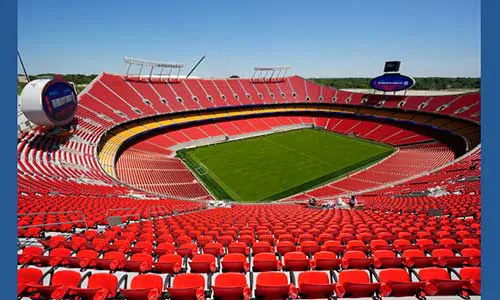
Table of Contents
- Introduction: The Shifting Landscape of Global Soccer Venues
- The Historical Legacy of the Rose Bowl on the FIFA Stage
- Key Factors: Why the Rose Bowl Was Not Selected for Major FIFA World Cup 2026 Matches
- Head-to-Head Comparison: Rose Bowl vs. SoFi Stadium
- The Official Explanations Behind the Selection Process
- Can the Rose Bowl Ever Return to the FIFA World Stage?
- Frequently Asked Questions
- Conclusion: A Silent Monument in 2026
Introduction: The Shifting Landscape of Global Soccer Venues
The FIFA World Cup 2026 is poised to be the largest and most geographically expansive tournament in sporting history, uniting three giant nations—the United States, Canada, and Mexico—in a celebration of the beautiful game. As fans worldwide look forward to the action, many soccer purists and sports historians have asked a crucial question: Why the Rose Bowl Was Not Selected for Major FIFA World Cup 2026 Matches? After all, the historic Pasadena stadium is considered a cathedral of American soccer, having hosted some of the most iconic matches in the sport’s history.
In this comprehensive analysis, we explore the deep structural, financial, and logistical variables that influenced FIFA’s decision-making process. From the stringent infrastructure demands of modern mega-events to the fierce commercial rivalry in Southern California, several factors combined to sideline this historic gem. Consequently, understanding these elements reveals how much the business of global sports has evolved since the United States last hosted the tournament in 1994.
Ultimately, the story of Why the Rose Bowl Was Not Selected for Major FIFA World Cup 2026 Matches is not just about turf or transit. Instead, it is a fascinating case study in how modern entertainment priorities, corporate hospitality needs, and municipal financial dynamics shape the landscapes of global sports tourism.
The Historical Legacy of the Rose Bowl on the FIFA Stage
To fully grasp the gravity of the Rose Bowl’s omission, one must look back at its storied history with international soccer. Built in 1922 and recognized as a National Historic Landmark, the Rose Bowl is one of the very few venues worldwide to have hosted both a Men’s and a Women’s FIFA World Cup Final. In 1994, it was the crown jewel of the tournament, hosting eight matches, including the memorable final where Brazil defeated Italy in a dramatic penalty shootout. It repeated this feat in 1999, hosting the historic Women’s World Cup Final where the United States famously triumphed over China.
Over the decades, the stadium has also been a premier destination for high-profile international club friendlies and Gold Cup matches, routinely drawing crowds exceeding 80,000 spectators. For many, the sweeping, open-air bowl represents the romantic era of American soccer. However, romanticism does not always align with the multi-billion-dollar corporate structure of modern FIFA tournaments. As soccer became a highly commercialized spectacle, the physical and financial realities of maintaining a 100-year-old venue began to clash with the future-facing vision of tournament organizers.
Key Factors: Why the Rose Bowl Was Not Selected for Major FIFA World Cup 2026 Matches
While the initial joint bid for the United 2026 World Cup featured the Rose Bowl prominently as a potential host for either the opening match or the final, the final venue roster told a completely different story. Below, we break down the definitive reasons behind this unexpected turn of events.
1. FIFA’s Commercial Demands and Financial Realities
First and foremost, the financial model proposed by FIFA for host venues is notoriously demanding. Stadiums and local municipalities are expected to fund massive, highly specific structural upgrades to align with FIFA’s strict guidelines. Meanwhile, FIFA retains control over the vast majority of event-day revenues, including ticketing, major sponsorships, and broadcast rights.
In public statements, Rose Bowl General Manager Jens Weiden openly addressed these commercial imbalances. He noted that the financial framework is incredibly challenging for publicly owned venues. Cities and taxpayers are asked to shoulder substantial upfront upgrade costs, while the direct revenue returned to the local stadium is heavily restricted. For a city-owned entity like the Rose Bowl, risking public funds on upgrades without guaranteed, direct returns made the business model highly problematic, which is a primary reason Why the Rose Bowl Was Not Selected for Major FIFA World Cup 2026 Matches.
2. The Need for Modern Luxury Hospitality and Suites
Modern sports tournaments are fueled by corporate partnerships and premium hospitality packages. High-net-worth VIPs, executive sponsors, and corporate delegations expect state-of-the-art luxury suites, fine dining options, and highly secure private lounges. This corporate ecosystem is where FIFA and stadium operators generate massive profit margins.
While the Rose Bowl does feature the Terry Donahue Pavilion—a multi-story structure housing luxury suites and press facilities—it simply cannot compete with the sheer volume of modern hospitality infrastructure. Newer stadiums are literally built around these premium spaces. When assessing Why the Rose Bowl Was Not Selected for Major FIFA World Cup 2026 Matches, the lack of sufficient ultra-premium, climate-controlled executive suites proved to be a decisive disadvantage, driving planners toward modern marvels that could maximize corporate revenue streams.
3. Architectural Hardships of a Century-Old Landmark
Operating a historic venue comes with strict architectural and legal boundaries. Because the Rose Bowl is listed on the National Register of Historic Places, any physical modification to the structure is met with intense regulatory scrutiny and must preserve its historic character.
FIFA’s technical standards for the 2026 World Cup are incredibly precise, ranging from sightlines and media facilities to the widening of pitch corners. Widening a pitch inside an oval, historic bowl-shaped stadium is a massive engineering hurdle. Doing so would require removing thousands of seats, re-engineering concrete structures, and spending millions of dollars in a way that might compromise the venue’s historic integrity. Consequently, these physical limitations stand out as a major technical answer to Why the Rose Bowl Was Not Selected for Major FIFA World Cup 2026 Matches.
4. Transportation and Regional Infrastructure Challenges
Logistics and transport form the backbone of a successful World Cup fan experience. FIFA prioritizes stadiums that are well-integrated into robust public transit networks, close to major international airport hubs, and accessible via multiple transit lanes.
The Rose Bowl, nestled in the scenic Arroyo Seco valley of Pasadena, is famous for its natural beauty, but notorious for its transportation bottlenecks. The stadium has virtually no direct heavy rail or subway access, forcing tens of thousands of fans to rely on shuttle buses operating from the Parsons parking lot in downtown Pasadena. During major events, traffic on the narrow residential roads leading into the Arroyo Seco becomes congested. This logistical bottleneck raised serious concerns about managing the influx of international tourists, contributing heavily to Why the Rose Bowl Was Not Selected for Major FIFA World Cup 2026 Matches.
5. The “Battle of LA” and the Rise of SoFi Stadium
Perhaps the most insurmountable hurdle for the Rose Bowl was the emergence of a multi-billion-dollar neighbor. Opened in 2020 in nearby Inglewood, SoFi Stadium is the most expensive and technologically advanced sporting venue on earth, costing upwards of $5 billion. It features a futuristic canopy roof, an integrated entertainment district, and immediate proximity to Los Angeles International Airport (LAX).
FIFA rarely selects two venues in the same metropolitan area to host matches, aiming instead to spread the tournament geographically. In the battle for the Los Angeles market, the brand-new SoFi Stadium naturally eclipsed the century-old Rose Bowl. When forced to choose a singular hub for the region, FIFA decided to focus entirely on SoFi Stadium, rendering the historic Pasadena stadium surplus to requirements for the 2026 event.
Head-to-Head Comparison: Rose Bowl vs. SoFi Stadium
To put the differences between these two Southern California giants into perspective, let us look at how they compare across key metrics evaluated by FIFA’s selection committee. This table helps clarify Why the Rose Bowl Was Not Selected for Major FIFA World Cup 2026 Matches.
| Feature | Rose Bowl Stadium (Pasadena) | SoFi Stadium (Inglewood) |
|---|---|---|
| Year Opened | 1922 (Historic Landmark) | 2020 (State-of-the-Art) |
| Estimated Build Cost | $272,000 (historical value) | $5+ Billion |
| Roof Type | Open-Air (No Roof) | Translucent Canopy (Weatherproof) |
| Luxury Suites | Limited (Terry Donahue Pavilion) | 260+ Ultra-Modern Luxury Suites |
| Transit Access | Shuttles / Limited Public Metro | Direct Airport Proximity, Dedicated Shuttles |
| FIFA Status | Excluded from 2026 Roster | Selected Host Venue (8 Matches) |
The Official Explanations Behind the Selection Process
While rumors circulated about potential backup bids, the official stance from local organizers was clear. The Los Angeles World Cup Host Committee conducted tours of both SoFi Stadium and the Rose Bowl, presenting a joint bid concept initially. However, FIFA made the executive decision to consolidate the footprint of the tournament.
According to updates from the Official FIFA Website, the focus remained on optimizing the fan experience, minimizing team travel, and securing venues with the highest commercial potential. The organizing body noted that modern, purpose-built venues like SoFi Stadium offered streamlined facilities that aligned perfectly with their logistical blueprint, reinforcing Why the Rose Bowl Was Not Selected for Major FIFA World Cup 2026 Matches.
Can the Rose Bowl Ever Return to the FIFA World Stage?
Despite being bypassed for the FIFA World Cup 2026, the Rose Bowl remains a global icon. Its field is highly regarded, and it continues to host massive, sold-out international matches outside of official FIFA tournaments. For instance, pre-season matches featuring major European clubs like Real Madrid, Barcelona, and Juventus regularly draw capacity crowds to Pasadena.
For the Rose Bowl to return to major FIFA tournament rosters in the future, several changes would need to occur. First, the financial terms dictated by FIFA would need to be more collaborative, allowing public venues to retain a larger share of the revenue. Second, Pasadena and regional transportation authorities would need to invest in long-term transit solutions to solve the Arroyo Seco congestion issues. Until then, the Rose Bowl will continue to serve as a beloved venue for independent soccer exhibitions and historic domestic fixtures.
Frequently Asked Questions
1. Why the Rose Bowl Was Not Selected for Major FIFA World Cup 2026 Matches?
The Rose Bowl was not selected due to several factors, including the high cost of required stadium renovations, a lack of modern premium hospitality suites, logistical and transportation bottlenecks in Pasadena, and the presence of the brand-new, $5 billion SoFi Stadium in nearby Inglewood.
2. Did the Rose Bowl host World Cup matches in the past?
Yes, the Rose Bowl is one of the most famous World Cup venues in history. It hosted eight matches during the 1994 Men’s World Cup (including the final between Brazil and Italy) and hosted the historic 1999 Women’s World Cup Final.
3. Which stadium in Los Angeles will host the 2026 World Cup matches?
SoFi Stadium, located in Inglewood, was chosen as the sole venue representing the Los Angeles metropolitan area. It will host eight matches, including the opening USMNT match and a quarterfinal.
4. Why is SoFi Stadium preferred over the Rose Bowl?
SoFi Stadium is a brand-new, state-of-the-art facility featuring 260+ luxury suites, a translucent canopy roof, modern media infrastructure, and excellent proximity to LAX. These modern amenities align closely with FIFA’s revenue and logistical goals.
5. Does the Rose Bowl still host soccer matches today?
Absolutely. The Rose Bowl remains a highly active soccer venue, regularly hosting sold-out international club friendlies, international exhibitions (such as MexTour matches), and local MLS rivalry matches.
6. Was transit access a major factor in the rejection?
Yes. The Rose Bowl has limited public transit connectivity and relies heavily on shuttle buses from off-site parking lots. This congestion risk made it less favorable compared to modern transit-integrated arenas.
Conclusion: A Silent Monument in 2026
The exclusion of the Pasadena Rose Bowl from the 2026 World Cup roster marks a significant turning point in the history of global sports hosting. While the venue is undoubtedly steeped in footballing romanticism, the modern era of the sport is governed by commercial viability, executive hospitality, and streamlined transit logistics. Understanding Why the Rose Bowl Was Not Selected for Major FIFA World Cup 2026 Matches helps paint a clear picture of what the future of sports entertainment looks like.
As the tournament begins, the historic bowl in Pasadena will watch from the sidelines, reminding us of a simpler, yet legendary, era of soccer. However, its status as a temple of American sports remains untouched. To learn more about other historic tournament exclusions, explore the Wikipedia Guide on the 2026 World Cup Bid.
What do you think?
Do you believe FIFA made the right call choosing SoFi Stadium over the historic Rose Bowl? Share your thoughts in the comments below, and don’t forget to share this deep dive with your fellow soccer fans!